
Your wardrobe is full, but somehow you still have “nothing to wear.” Sound familiar? Here is the uncomfortable truth: the problem is not your clothes — it is how you shop.
Most people buy what looks good in the store, not what they will actually wear in real life, and that is exactly how money quietly disappears from your wallet, one “great deal” at a time.
The good news? Shopping smart is a skill, and once you learn it, every purchase starts making sense. In this guide, you will learn how to buy less, choose better, and build a wardrobe that finally works for you.
What Does It Mean to Shop Smart for Clothes?
Shopping smart means choosing clothing based on your needs, budget, personal style, and quality rather than buying something simply because it is on sale or trending online.
It does not mean you must always buy expensive clothing or avoid fashionable pieces. It means understanding what you are purchasing and whether you will genuinely use it.
Before buying anything, consider three important questions:
- Does this item fit my lifestyle?
- Can I style it with clothes I already own?
- Is it worth the price I am paying?
These simple questions can help you avoid unnecessary purchases and build a wardrobe that feels more practical and personal.
1. Review Your Wardrobe Before Shopping

One of the easiest ways to shop smarter is to understand what you already own. Without reviewing your wardrobe, you may buy another black top, similar pair of jeans, or dress that serves the same purpose as something you already have.
Start by looking through your clothes and sorting them into a few groups: items you wear regularly, pieces you wear occasionally, and clothing that no longer fits your needs.
Notice which colors, styles, and clothing types appear most often. You may discover that you need versatile trousers for work, comfortable everyday tops, or an outfit for special occasions.
Make a short list of genuine wardrobe gaps before shopping. This gives you a clear purpose and helps you avoid buying items simply because they catch your attention.
2. Set a Clothing Budget
A clothing budget helps you decide how much you can comfortably spend without affecting other financial priorities.
Choose an amount based on your income, regular expenses, and shopping needs. You do not need a large budget to dress well. The goal is to use the money available to you thoughtfully.
You can also divide your budget according to your priorities. For example, you might allocate more money to a winter coat or everyday shoes and less to occasional accessories.
Before shopping, consider the following:
- Set a spending limit for the entire shopping trip.
- Make a list of the items you actually need.
- Compare prices before purchasing.
- Leave room for unexpected essential expenses.
- Avoid spending more simply because a retailer offers a discount.
A budget is not meant to restrict your personal style. It helps you enjoy fashion without unnecessary financial pressure.
3. Choose Clothes That Match Your Personal Style
Fashion trends change frequently, but your personal style can help you make more consistent shopping decisions.
Think about the outfits you enjoy wearing and feel comfortable in. Do you prefer classic pieces, casual basics, elegant outfits, or bold colors? Understanding your preferences makes it easier to identify clothing that suits you.
Pay attention to the colors, shapes, and fabrics you reach for most often. Save outfit ideas for inspiration, but remember that you do not need to copy every look you see online.
When you find something attractive, consider whether you would wear it in your everyday life. A fashionable piece is a useful purchase only when it fits your preferences and practical needs.
If you are still exploring your style, experiment with small additions rather than replacing your entire wardrobe.
4. Prioritize Quality and Comfort

The price of a garment does not automatically determine its quality. Some affordable pieces are well made, while expensive items may not offer the durability or comfort you expect.
Look carefully at the construction before buying. Check whether seams appear secure, buttons are attached properly, and zippers work smoothly. Examine the fabric for thin spots, loose threads, or signs of poor finishing.
Comfort matters just as much. Clothing should allow you to sit, walk, and move naturally. An item that looks beautiful but feels uncomfortable may remain unused in your wardrobe.
Also, read the care label. Some fabrics require special washing or ironing, which may not suit your routine.
Choose clothing that balances comfort, appearance, durability, and price rather than focusing on only one factor.
5. Check the Fit Before Making a Purchase
A good fit can make an outfit look more polished and help you feel confident. However, clothing sizes are not always consistent between brands, so it is better to focus on how a garment fits than on the number printed on its label.
When trying something on, check the shoulders, waist, length, and overall comfort. Sit down, raise your arms, or walk around to see how the garment moves with your body.
If you are shopping online, check the size chart and compare the listed measurements with a similar item you already own. Customer reviews may also provide useful information about whether an item runs large, small, or true to size.
Remember that clothing can sometimes be adjusted by a tailor, but alterations add to the total cost. Include that expense when deciding whether a purchase is worthwhile.
6. Look for Versatile Wardrobe Essentials
Versatile clothing makes it easier to create different outfits without buying a large number of items.
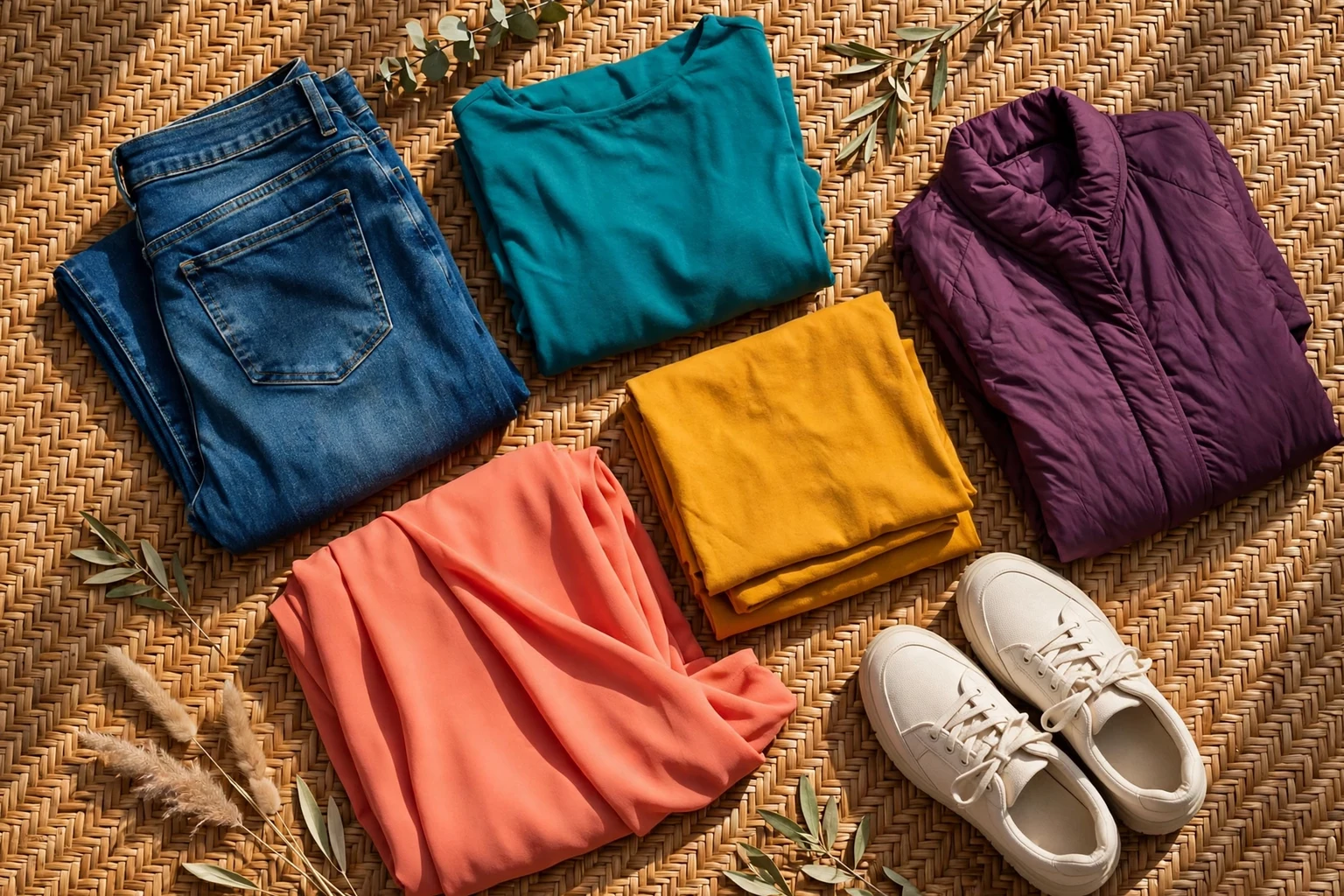
Depending on your lifestyle, useful wardrobe essentials may include a well-fitting pair of jeans, comfortable basic tops, neutral trousers, a simple dress, a lightweight jacket, and shoes suitable for everyday activities.
You do not need every item on this list. Choose pieces based on your climate, work requirements, personal preferences, and the occasions you dress for.
Before buying a new item, think of at least two or three outfits you could create with it. If it works with several pieces you already own, it may offer more value than something that only matches one specific outfit.
Versatility does not mean every item must be neutral or plain. A colorful blouse or patterned skirt can also be versatile if it works well with your existing wardrobe.
7. Compare Prices and Shop Sales Carefully
Sales can be a good opportunity to find clothing at a lower price, but a discount does not automatically make an item a smart purchase.
Compare prices across different retailers and check whether the garment offers the quality, fit, and features you need. Be cautious about buying something only because the discount appears large.
For example, purchasing a shirt you will never wear is still unnecessary spending, even if it costs much less than its original price.
Before checking out, ask yourself whether you would still want the item if it were not on sale. If the answer is no, consider leaving it behind.
Also, review return policies, delivery charges, and any additional fees when shopping online. The final cost may be higher than the advertised price.
8. Shop Online With a Plan
Online shopping offers convenience and access to many styles, but product photographs do not always show exactly how an item looks or fits in real life.
Before placing an order, read the product description carefully. Check the fabric composition, measurements, care instructions, delivery details, and return policy.
Look for customer reviews that include information about fit, material, and overall quality. If multiple buyers mention the same issue, consider whether it would affect your decision.
It can also help to leave items in your cart for a short time before purchasing. This gives you an opportunity to reconsider whether the clothing is genuinely needed.
Shop from retailers with clear policies and secure payment options. Avoid assuming that a product is high quality simply because its pictures look professional.

9. Avoid Impulse Purchases
Impulse buying often happens when you shop while bored, stressed, or influenced by limited-time offers and social media trends.
You can reduce unnecessary purchases by creating a shopping list and giving yourself time to consider nonessential items. For larger purchases, wait a day or two before deciding.
Another useful habit is to calculate the practical value of an item. Think about how frequently you expect to wear it and whether it will work with your existing clothing.
You do not have to avoid every spontaneous purchase. Fashion should still be enjoyable. The aim is to make sure your decisions reflect your actual needs and preferences rather than temporary excitement.
10. Consider Cost Per Wear
Cost per wear is a simple way to think about the value of clothing. It compares the price of an item with how many times you expect to wear it.
For example, imagine you buy a jacket for $80 and wear it 40 times. Its cost per wear is $2.
Now imagine buying a $25 top that you wear only twice. Its cost per wear is $12.50.
These examples show why the cheapest item is not always the most economical choice over time.
However, cost per wear is only one consideration. Comfort, fit, durability, personal preference, and your available budget also matter. There is no need to spend more than you can afford just to achieve a lower cost per wear.
11. Think About Seasonal Needs
Shopping according to the season can help you choose clothing that suits the weather and your daily activities.
Before a new season begins, review what you already own. You may have enough warm layers for winter but need comfortable, breathable clothing for summer.
Consider your local climate rather than following seasonal trends designed for a different region. A lightweight jacket, breathable cotton pieces, or practical rainwear may be more useful than clothing you will rarely need.
Buying a few seasonal essentials in advance can also give you more time to compare prices and avoid rushed decisions.
You do not need to replace your wardrobe every season. Reuse suitable pieces, care for them properly, and add only what is missing.

12. Take Care of the Clothes You Buy
Smart shopping does not end at checkout. Proper clothing care can help your purchases remain in good condition for longer.
Read garment care labels and follow the recommended washing instructions. Avoid washing items more frequently than necessary when airing them out is sufficient, and use suitable storage to protect clothing from damage.
Fold knitwear carefully, hang garments that benefit from hanging, and repair small issues such as loose buttons before they become bigger problems.
You can also learn basic clothing repairs or use a tailor for adjustments when appropriate.
Taking care of your clothes helps you get more use from your wardrobe and may reduce the need for frequent replacements.
Final Thoughts
Learning how to shop smart for clothes is about making thoughtful choices, not spending the least amount of money possible. A useful wardrobe reflects your personal style, supports your daily life, and includes clothing you genuinely enjoy wearing.
Start by reviewing what you own, setting a realistic budget, and identifying the pieces you actually need. Pay attention to fit, quality, versatility, and care requirements before making a purchase.
You do not have to build your ideal wardrobe in one shopping trip. Take your time, make intentional choices, and remember that wearing your clothes confidently matters more than constantly buying something new.
Frequently Asked Questions
1. How can I shop smart for clothes on a budget?
Start by reviewing your wardrobe and making a list of missing essentials. Set a spending limit, compare prices, and prioritize clothing you can wear in different outfits. Avoid buying items simply because they are discounted.
2. Is expensive clothing always better quality?
No. Price alone does not guarantee quality. Check the fabric, stitching, fit, fastenings, and care requirements to determine whether an item is worth its price.
3. What should I check before buying clothes online?
Review the size chart, product measurements, fabric details, customer feedback, delivery charges, and return policy. These details can help you make a more informed purchase.
4. How do I avoid buying clothes I never wear?
Shop with a list, consider your existing wardrobe, and think of several outfits you could create with each new item. Waiting before making nonessential purchases can also reduce impulse buying.
5. What clothes are worth investing in?
Consider investing in pieces you use frequently, such as comfortable everyday shoes, a suitable coat, well-fitting trousers, or reliable wardrobe basics. The best choices depend on your climate, lifestyle, preferences, and budget.
6. How often should I update my wardrobe?
There is no fixed schedule. Replace clothing when it no longer fits, works for your needs, or remains in good condition. Review your wardrobe occasionally and buy new pieces when there is a genuine reason to do so.