
Building a timeless wardrobe is about creating a collection of clothing that looks stylish, feels comfortable, and works for different occasions. Instead of constantly buying new pieces to follow every trend, a timeless wardrobe focuses on versatile essentials, flattering fits, quality fabrics, and colors that are easy to combine.
Whether you are refreshing your closet or starting from scratch, learning how to build a timeless wardrobe can help you make more thoughtful fashion choices. With the right pieces, you can create multiple outfits without needing an overflowing closet.
In this guide, we will explore essential wardrobe staples, practical styling tips, seasonal outfit ideas, and simple ways to develop a personal style that lasts beyond short-lived trends.
What Is a Timeless Wardrobe?
A timeless wardrobe is a collection of clothing built around classic styles that remain wearable across different seasons and changing fashion trends. It includes versatile basics, well-fitting garments, comfortable footwear, and accessories that complement multiple outfits.
For example, a white button-down shirt can work with tailored trousers for the office, jeans for a casual outing, or a skirt for a more polished look. Similarly, a neutral blazer can add structure to a simple outfit without requiring an entirely new combination. The goal is not to avoid trends completely. Instead, it is to build a reliable foundation that allows you to experiment with current styles while maintaining a consistent personal aesthetic.
10 Essential Pieces for a Timeless Wardrobe
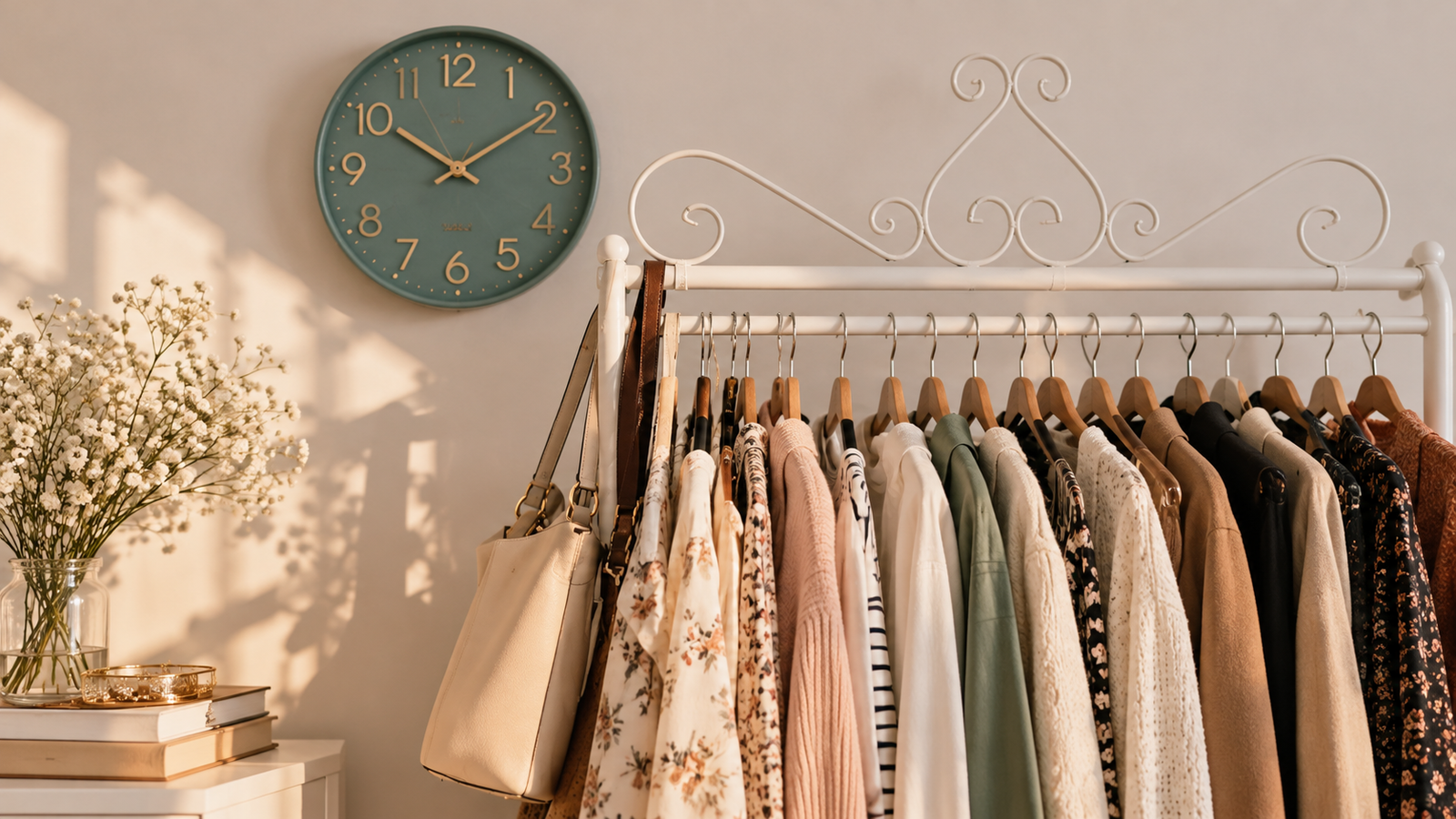
You do not need an expensive designer collection to dress well. Start with practical clothing that suits your lifestyle, climate, budget, and personal preferences.
1. A Classic White Shirt
A white shirt is one of the most versatile wardrobe essentials. It can be worn independently, layered under a sweater, or styled with a blazer for a polished appearance.
Choose a cut that feels comfortable and works with your existing clothing. A relaxed cotton shirt creates an effortless casual look, while a more structured design suits formal settings.
2. Well-Fitting Jeans
A dependable pair of jeans can form the foundation of countless everyday outfits. Straight-leg, slim-straight, and other classic cuts can be easy to style, depending on your body proportions and preferences.
Look for comfortable denim that allows movement and maintains its shape. Dark blue and medium-wash denim are particularly adaptable because they pair well with neutral tops, knitwear, sneakers, and dressier shoes.
3. Tailored Trousers
Tailored trousers provide a polished alternative to jeans. They work well for professional environments, dinners, and occasions when you want a more refined appearance.
Black, navy, beige, and charcoal are useful starting colors. Pair them with a simple T-shirt for a relaxed combination or a blouse and loafers for a more formal outfit.
4. A Neutral Blazer
A blazer instantly adds structure to an outfit. It can be layered over a basic top, a dress, or a lightweight sweater.
Choose a fit that allows comfortable movement through the shoulders and arms. A black, navy, beige, or brown blazer can complement many wardrobe staples without feeling overly formal.
5. A Versatile Knit Sweater
A well-made sweater is useful for layering during cooler weather and transitional seasons. Neutral shades such as cream, grey, camel, and navy are easy to coordinate.
Consider breathable fabrics and care instructions before purchasing. The best sweater is one that feels comfortable, fits your lifestyle, and can be worn with several pieces you already own.
6. A Simple Everyday Dress
A classic dress can make getting ready easier because it creates a complete outfit with minimal effort. Depending on your preferences, you might choose a shirt dress, a simple midi dress, or a clean, understated silhouette.
Wear it with flats during the day, add a blazer for work, or use accessories to create a more elevated evening look.
7. A Lightweight Layering Jacket
A practical jacket helps make your wardrobe more adaptable. A trench coat, denim jacket, or simple structured jacket can work across multiple outfits.
Choose an option that suits your local weather rather than buying a style you will rarely wear. Consider length, fabric weight, and how easily the jacket fits over your usual layers.
8. Comfortable Everyday Shoes
Shoes influence both the comfort and appearance of an outfit. A timeless wardrobe may include clean sneakers, loafers, ballet flats, or simple ankle boots, depending on your daily activities and climate.
Prioritize fit, support, durability, and versatility. Neutral footwear can be particularly useful when you want the same pair to work with jeans, trousers, dresses, and skirts.
9. A Functional Everyday Bag
An everyday bag should complement your style while holding the items you regularly need. A structured tote, a medium-sized shoulder bag, or a practical crossbody can be a useful choice.
Before buying, consider the bag’s weight, compartments, material, and ease of maintenance. A versatile design is often more valuable than one that looks fashionable for only a short period.
10. Simple Accessories
Accessories can transform basic clothing combinations without requiring a complete wardrobe change. Belts, understated jewelry, scarves, and classic sunglasses can add personality to simple outfits.
You do not need every accessory category. Choose a few pieces that complement your preferred colors, clothing styles, and daily routine.
How to Choose the Right Colors for Your Wardrobe
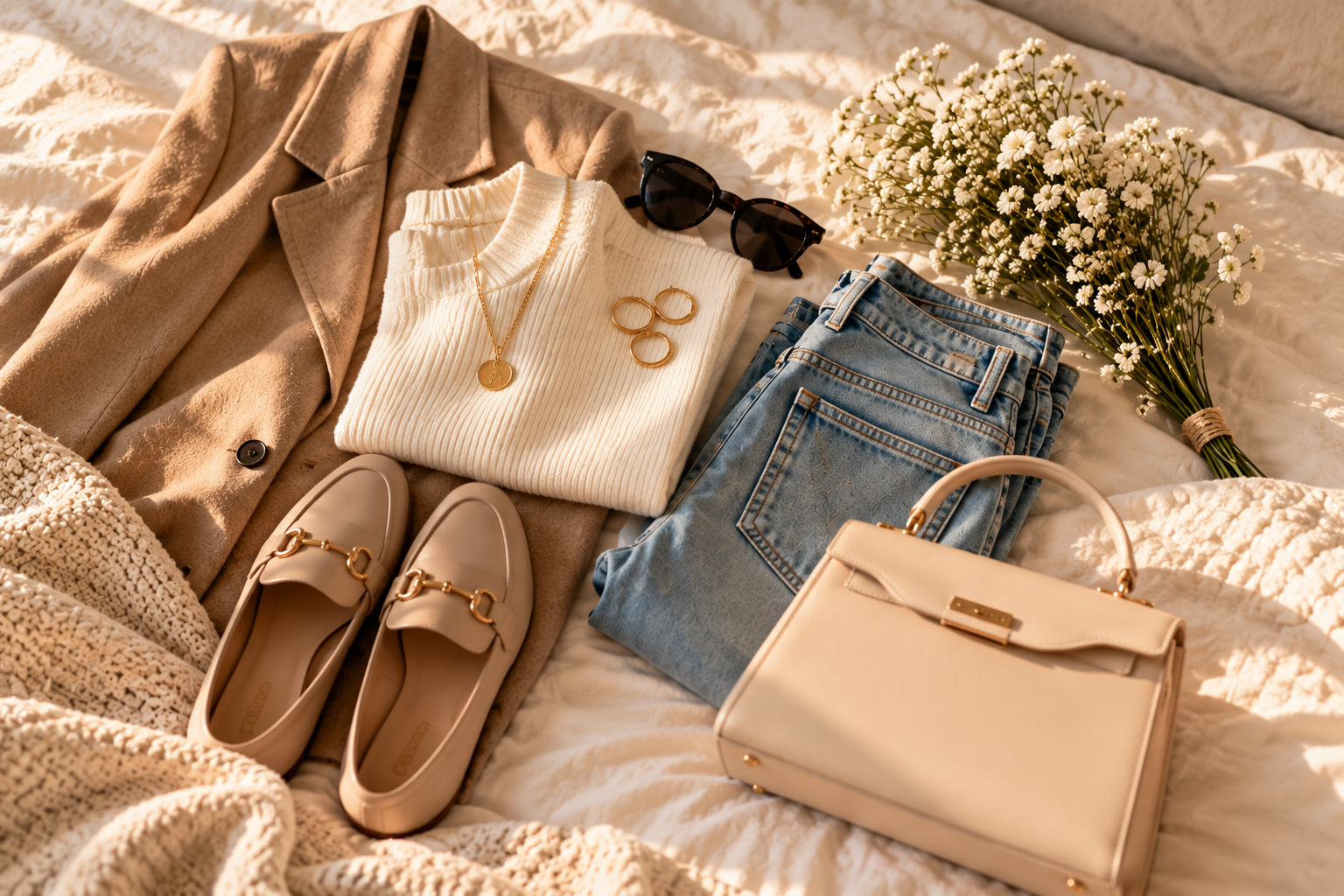
Color coordination makes it easier to create outfits from a smaller collection of clothes. A useful approach is to establish a foundation of neutral shades and introduce a few colors that reflect your personal taste.
Start With Neutral Colors
Black, white, cream, navy, grey, beige, and brown are common wardrobe foundation colors. They can be combined in numerous ways and provide a simple starting point for building outfits.
You do not have to use every neutral shade. Choose the colors you enjoy wearing and that work well with your existing wardrobe.
Add Your Favorite Accent Colors
Once you have established a neutral foundation, introduce accent colors such as burgundy, olive green, soft pink, or blue.
These shades can appear in sweaters, bags, scarves, shirts, or other pieces. A consistent color palette helps your wardrobe feel coordinated without making every outfit look identical.
Consider Your Lifestyle
Your wardrobe colors should reflect how and where you dress. Someone who frequently attends professional meetings may prefer darker neutrals and structured clothing, while someone with a casual routine may enjoy lighter shades, denim, and relaxed silhouettes.
The most useful color palette is one that makes getting dressed easier and helps you feel comfortable in your clothes.
7 Practical Tips for Styling Timeless Outfits
Having the right essentials is only the beginning. The way you combine them determines how versatile your wardrobe becomes.
1. Focus on Fit
Even simple clothing can look polished when it fits comfortably. Pay attention to shoulder seams, trouser length, waist placement, and sleeve length.
If a piece is otherwise ideal but slightly ill-fitting, basic alterations may help you wear it more often.
2. Combine Different Textures
Mixing textures adds visual interest without relying on bold prints or complicated color combinations. For example, combine denim with a soft knit, cotton with tailored fabric, or a smooth blouse with a textured jacket.
Small differences in texture can make a simple outfit feel more considered.
3. Use Layering to Add Versatility
Layering allows individual pieces to work in different temperatures and settings. A white shirt can sit beneath a sweater, while a blazer can be added when an outfit needs more structure.
Choose layers that fit comfortably together and avoid unnecessary bulk.
4. Balance Proportions
Consider how the shapes of your clothing work together. A relaxed top may pair well with more structured trousers, while a fitted shirt can complement wider-leg pants.
There are no universal rules for every body type. Experiment with different combinations to discover what feels balanced and comfortable to you.
5. Repeat Your Favorite Combinations
You do not need a completely different outfit every day. Repeating combinations that work well is a practical way to get more use from your clothes.
You can make a familiar outfit feel fresh by changing your shoes, bag, jewelry, or outer layer.
6. Adapt Classics to Current Trends
Timeless clothing can still feel modern. Try incorporating one current trend through a bag, color, shoe style, or accessory rather than replacing several wardrobe staples.
This approach gives you room to explore fashion while keeping your core collection useful over time.
7. Take Care of Your Clothes
Follow care labels, store garments appropriately, and repair small issues before they become larger problems. Washing items according to their fabric requirements and avoiding unnecessary heat can help maintain their appearance.
Good clothing care can extend the useful life of wardrobe pieces and reduce the need for frequent replacements.
Timeless Outfit Ideas for Different Occasions
A versatile wardrobe becomes more valuable when you know how to combine its pieces for different situations.
- Casual everyday look: Pair straight-leg jeans with a white T-shirt, clean sneakers, and a lightweight jacket. Add a crossbody bag for practicality.
- Smart-casual outfit: Combine tailored trousers with a simple knit top, loafers, and a structured bag. This works for many casual meetings, lunches, and everyday professional settings.
- Office-ready combination: Style a button-down shirt with tailored trousers and a blazer. Choose comfortable shoes that suit your workplace and daily routine.
- Weekend outfit: Wear a simple dress with flat shoes and a denim jacket, or choose jeans with a relaxed sweater and minimal accessories.
- Evening look: Combine a classic dress or dark tailored trousers with refined shoes and a few accessories. A blazer or lightweight outer layer can complete the outfit when needed.
These combinations are starting points rather than strict rules. Adjust them according to the occasion, weather, dress code, and your own preferences.
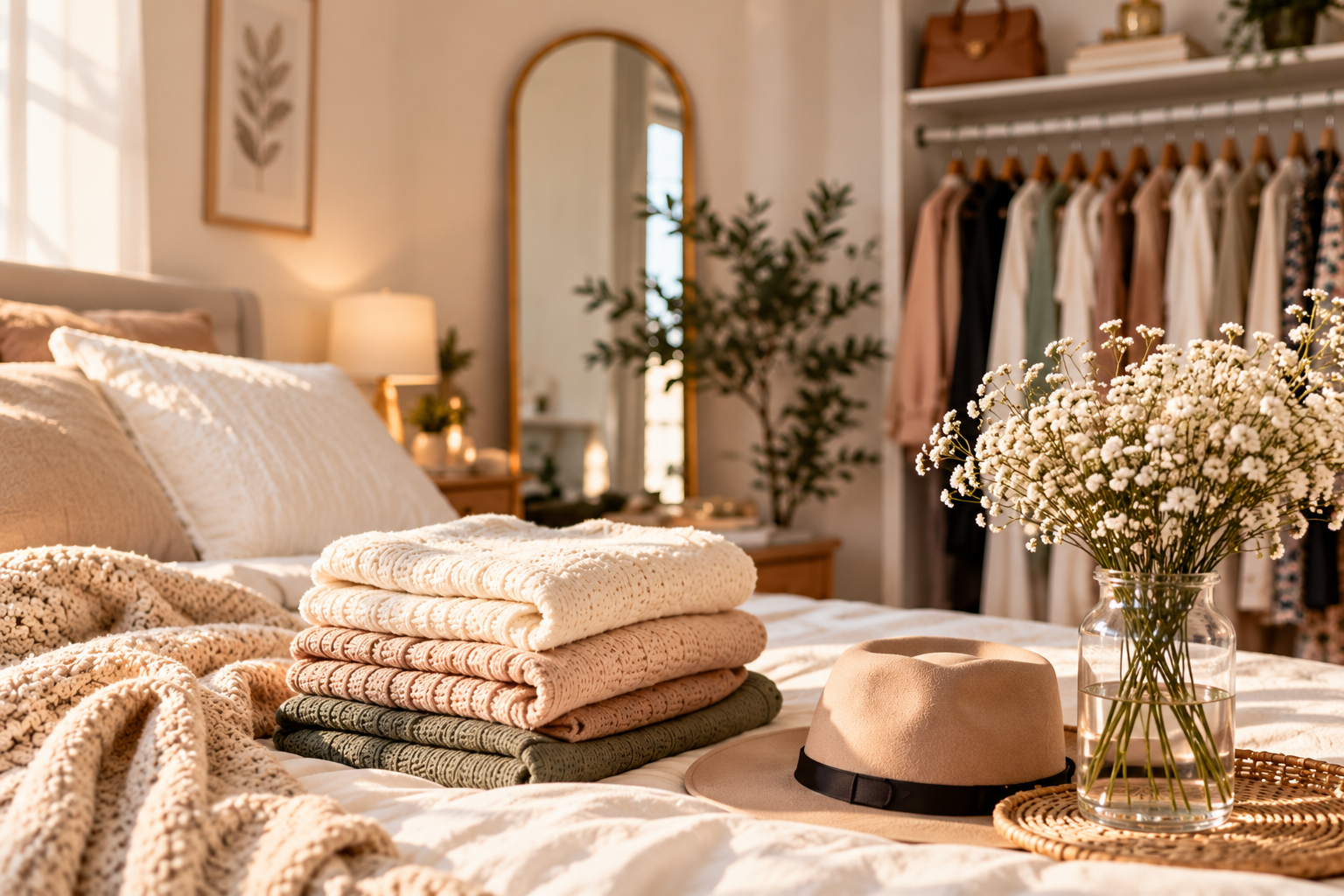
How to Build a Timeless Wardrobe on a Budget
Creating a versatile wardrobe does not require buying everything at once. A gradual approach can help you avoid unnecessary spending and make better use of the clothing you already own.
First, review your current closet. Identify the items you wear frequently, the pieces that combine easily, and the gaps that make outfit planning difficult.
Next, create a short shopping list based on those gaps. If you already own several neutral tops but lack suitable trousers, buying another top may not solve the problem.
When comparing clothing, consider cost per wear rather than the initial price alone. A reasonably priced garment that you wear regularly may offer better value than an expensive item that remains in your closet.
You can also explore secondhand stores, seasonal sales, and clothing swaps. Before purchasing anything, check the fabric, fit, condition, and care requirements.
Most importantly, avoid buying an item simply because it is trending or discounted. A purchase is more likely to be useful when it works with multiple pieces you already own.
Common Mistakes to Avoid When Building a Timeless Wardrobe
A timeless wardrobe should reflect your real life, not an idealized version of it. Avoid these common mistakes:
- Buying every item in neutral colors: Accent colors and personal touches can make a wardrobe more expressive.
- Prioritizing trends over comfort: Clothing that restricts movement or does not suit your routine may rarely be worn.
- Ignoring fit: A beautiful garment may not be practical if its proportions do not work for you.
- Buying too much at once: Building gradually gives you time to understand which pieces you genuinely need.
- Choosing quality without considering care: Delicate fabrics may require more maintenance than your lifestyle allows.
- Copying someone else’s wardrobe completely: Inspiration is useful, but your clothing should suit your preferences, budget, and everyday activities.
Avoiding these habits can make wardrobe planning more intentional and reduce unnecessary purchases.
Conclusion
Building a timeless wardrobe is less about owning more clothing and more about choosing pieces that work together. Classic shirts, well-fitting jeans, tailored trousers, versatile layers, comfortable shoes, and simple accessories can create a strong foundation for countless outfits. Start with the clothing you already own, identify the gaps that matter, and add versatile pieces gradually.
Pay attention to fit, comfort, color coordination, and garment care rather than following every new trend. With a thoughtful approach, your wardrobe can become easier to manage, more adaptable to different occasions, and more reflective of your personal style.
At TheFashLuxia, we believe everyday style begins with choices that feel practical, confident, and true to you. A timeless wardrobe gives you the freedom to express yourself while making getting dressed simpler every day.