
Ever stood in front of a full wardrobe and still felt like nothing looks like you? The problem usually is not your clothes — it is that you are dressing against your archetype. Once you know yours, getting dressed stops being a daily guess, and shopping stops being a gamble.
So what is dressing for your archetype? It simply means dressing according to your natural style identity — the group of styles, shapes, fabrics and details that look and feel most like you. Instead of copying every trend, you build your wardrobe around the archetype (or blend of two) that matches your personality, your body and your lifestyle.
In this guide, you will learn what the main style archetypes are, how to find yours in five simple steps, and how to use it every day without boxing yourself in.
What Does Dressing for Your Archetype Actually Mean?
A style archetype is a pattern. It is the “type” of clothing that suits you again and again: the necklines you always reach for, the fabrics that feel right, the level of polish that feels natural on you.
Think of it like this. Two women can wear the same white shirt. One looks sharp and powerful in it with a blazer and tailored trousers. The other looks best with the same shirt loose over soft, flowy layers. The shirt did not change — the archetype did.
Dressing for your archetype means:
- Choosing silhouettes that match your natural energy (structured, soft, bold, relaxed)
- Picking fabrics and details that feel like you, not like a costume
- Building a wardrobe where most pieces naturally go together
It is not about your body shape alone, and it is not a strict rule book. It is a shortcut. Once you know your archetype, you can walk into any shop and filter 90% of the racks in seconds: “beautiful, but not mine.”
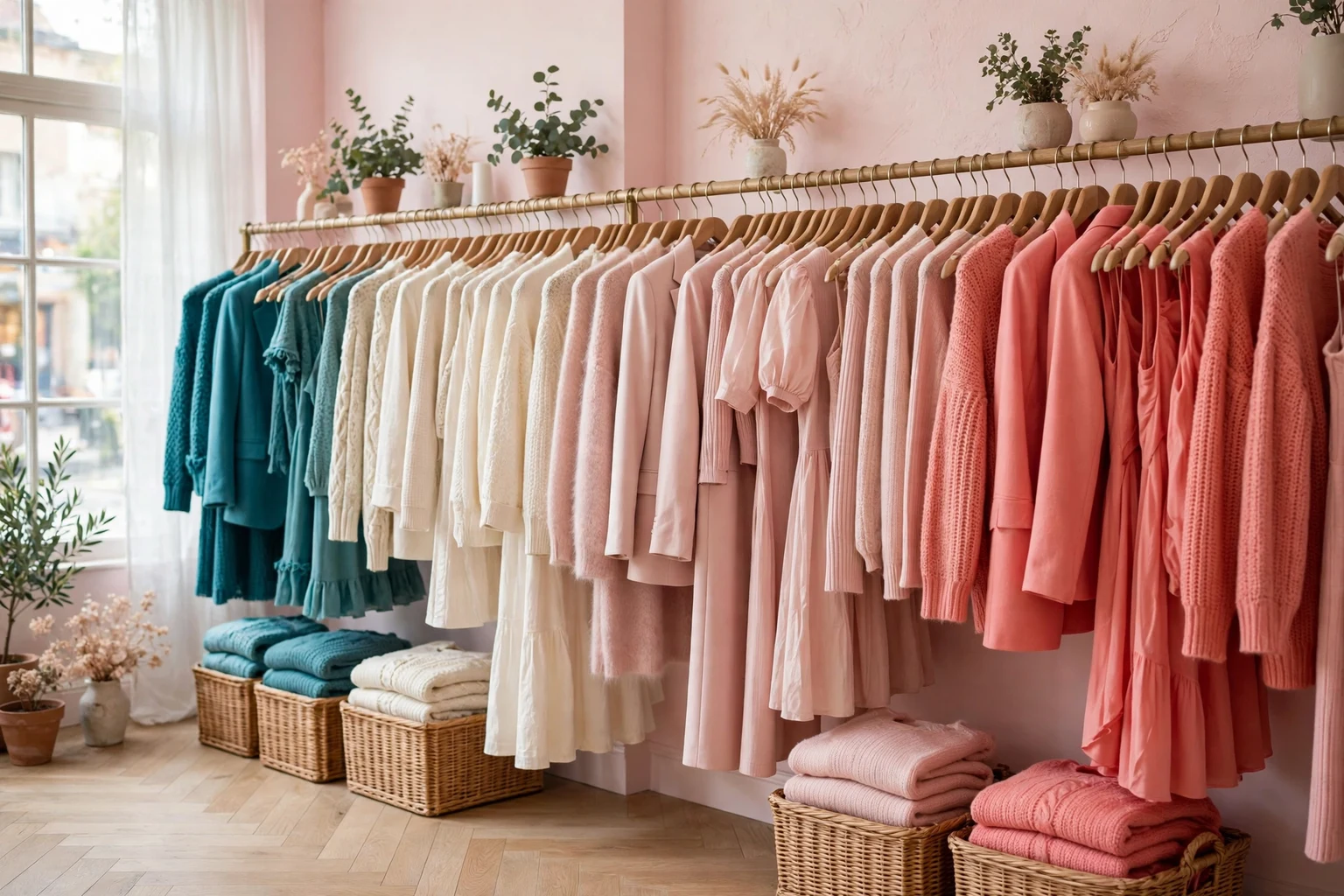
Why It Matters More Than Following Trends
Trends change every season. Your archetype does not. That is exactly why women who dress for their archetype always look “put together” — their wardrobes have a clear identity, so almost everything they own works together.
Here is what changes when you dress for your archetype:
- You stop buying mistakes. Those “why did I buy this?” pieces are almost always off-archetype purchases.
- Your wardrobe becomes cohesive. Pieces mix and match easily because they share the same style DNA.
- You look more like yourself. The compliment shifts from “nice dress” to “you look so good” — because the clothes match the person.
- You save money. You buy fewer things, but wear almost all of them.
Finding your archetype is really the deeper step after finding your personal style. If you have not done that yet, start with my guide on how to find your personal style — then come back here and go one level deeper.
The 7 Style Archetypes, Explained Simply
Most women fit one main archetype, with a second one mixed in. Read through these and notice which descriptions make you nod.
1. The Classic Archetype
Timeless, polished and balanced. You love clean lines, tailored pieces and quality over quantity. Blazers, straight trousers, loafers, crisp shirts and simple gold jewellery are your home ground. Nothing too fussy, nothing too loud — just quietly perfect.
2. The Romantic Archetype
Soft, feminine and detailed. You are drawn to flowing fabrics, lace, ruffles, floral prints and soft colours. Dresses and skirts feel more “you” than trousers, and you love delicate jewellery and gentle curves in your outfits.
3. The Natural Archetype
Relaxed, easy and effortless. Comfort is non-negotiable, but you still want to look good. Think denim, linen, oversized knits, earthy tones and minimal makeup. If it feels restrictive, it is not for you — your style looks best when it looks easy.
4. The Dramatic Archetype
Bold, sharp and statement-making. You love strong shapes, high contrast, dark or striking colours and pieces that turn heads. Structured shoulders, long lines, oversized sunglasses — you wear confidence like an accessory.
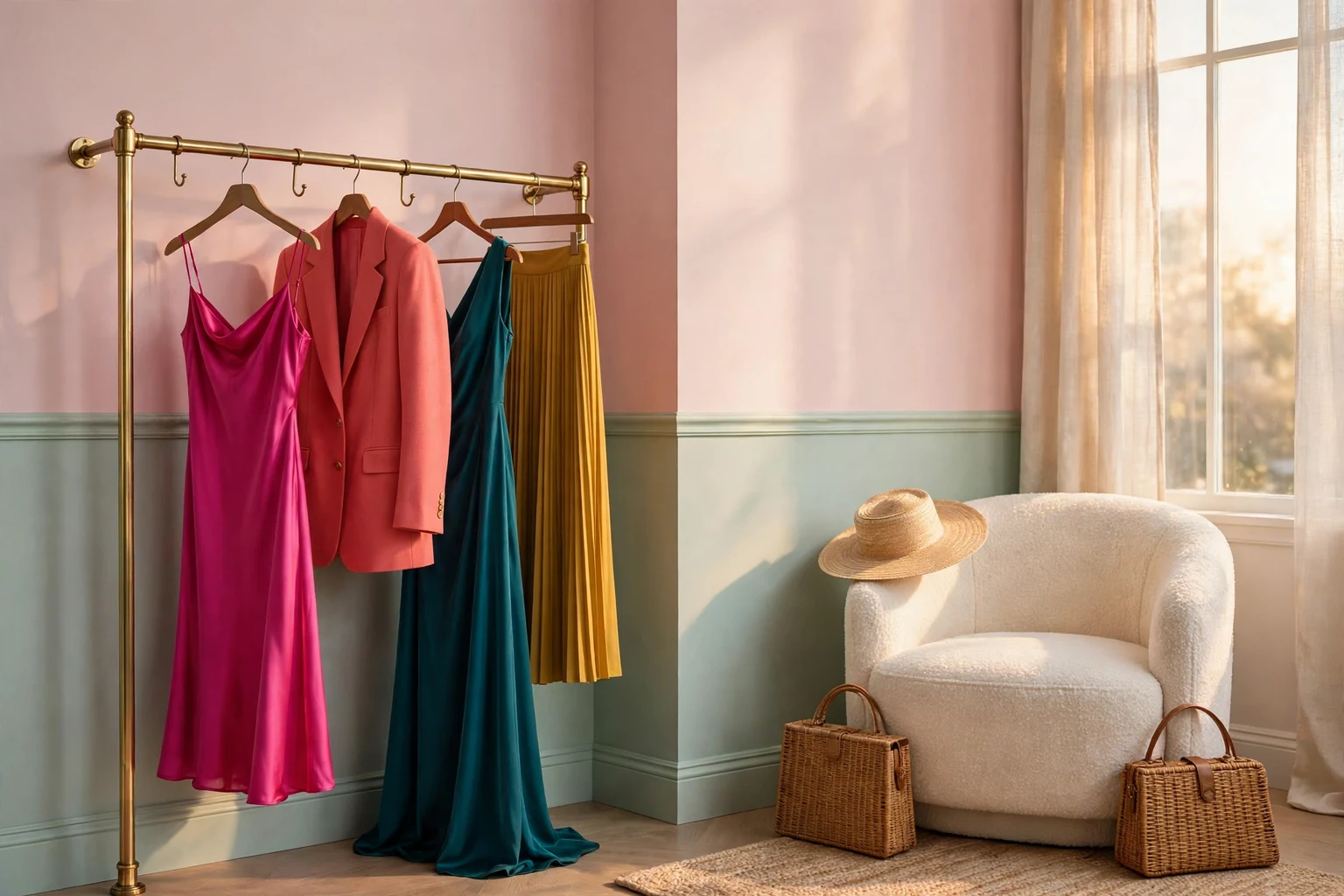
5. The Gamine Archetype
Playful, neat and a little quirky. You suit smaller proportions and fun details: cropped trousers, stripes, cute collars, short jackets and pops of colour. Your energy is youthful and fresh, and overly serious outfits can swallow you.
6. The Creative (Boho) Archetype
Free, artistic and original. You mix prints, textures and vintage finds in ways nobody else would think of. Flowing maxi dresses, layered jewellery, embroidery and one-of-a-kind pieces make your wardrobe feel like a gallery of your personality.
7. The Elegant Archetype
Refined, graceful and luxurious in a quiet way. You prefer smooth fabrics, longer lines, neutral palettes and a polished finish from head to toe. Nothing is accidental in your outfit — and it shows.
Reading these, you probably felt one strong “that’s me” and one softer “a bit of that too.” That is normal. Most women dress best in a main archetype plus a touch of a second one.
How to Find Your Style Archetype in 5 Steps
Step 1: Audit Your Favourite Outfits
Open your wardrobe and pull out the five outfits you wear on repeat — the ones that always get compliments and always feel right. Lay them side by side. What do they share? Structure or softness? Bold or quiet? Classic or playful? That pattern is your biggest clue.
Step 2: Notice What You Never Wear
Now look at the pieces with tags still on, or the ones you wore once. They are usually beautiful clothes that belong to someone else’s archetype. A romantic lace dress sitting unworn in a dramatic woman’s wardrobe tells the whole story.
Step 3: Collect What You Are Drawn To
Save 15–20 outfit photos you genuinely love — not what is trending, just what pulls your eye. Within minutes you will see the same shapes, colours and mood repeating. That repetition is your archetype showing itself.
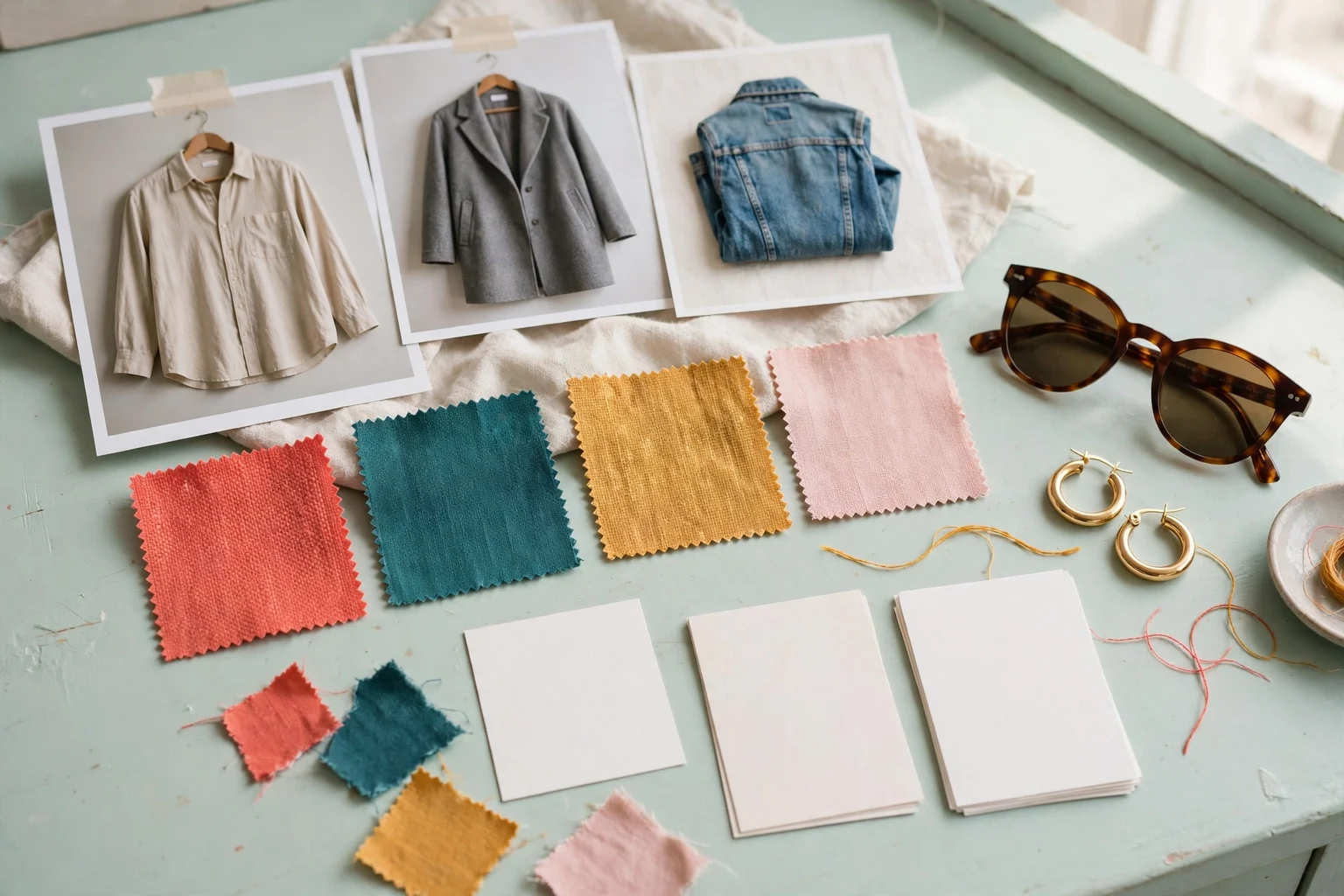
Step 4: Match It to Your Lifestyle
An archetype only works if it survives your real life. A dramatic wardrobe of dry-clean-only pieces will fail a busy mum. Ask: does this style work on my normal Tuesday, not just at events? If not, blend in your second archetype — usually Natural or Classic — to make it practical.
Step 5: Name Your Blend
Write it down in one line: “I am Classic with a touch of Romantic.” That single line becomes your shopping filter, your packing list and your getting-ready shortcut. For help turning it into outfits for real life, see my guide on how to choose the right outfit for different occasions.
How to Dress for Your Archetype Every Day
Knowing your archetype is step one. Using it is where the magic happens.
- Use the 70/30 rule. Let about 70% of an outfit follow your main archetype, and 30% borrow from your second one. A Classic woman adding a romantic blouse under her blazer is exactly this.
- Start with anchor pieces. Build 3–4 outfits entirely in your archetype — your safe, always-work looks for busy mornings.
- Shop with your filter on. Before buying, ask one question: “Would my archetype wear this?” If the answer needs a long explanation, put it back.
- Let trends visit, not move in. When a trend matches your archetype, enjoy it. When it does not, skip it without FOMO — it was never going to feel like you anyway.
Common Mistakes to Avoid
- Copying an influencer’s archetype. Her wardrobe works because it matches her. The same pieces can look wrong on you for no other reason than a different archetype.
- Treating it like a cage. Your archetype is a guide, not a uniform. Special occasions and moods can bend the rules.
- Confusing archetype with body type. Body type is about fit and proportion. Archetype is about style identity. You need both, but they answer different questions.
- Forcing one pure archetype. If you keep failing to fit one box, you are probably a blend — and blends are where the most personal, interesting style lives.
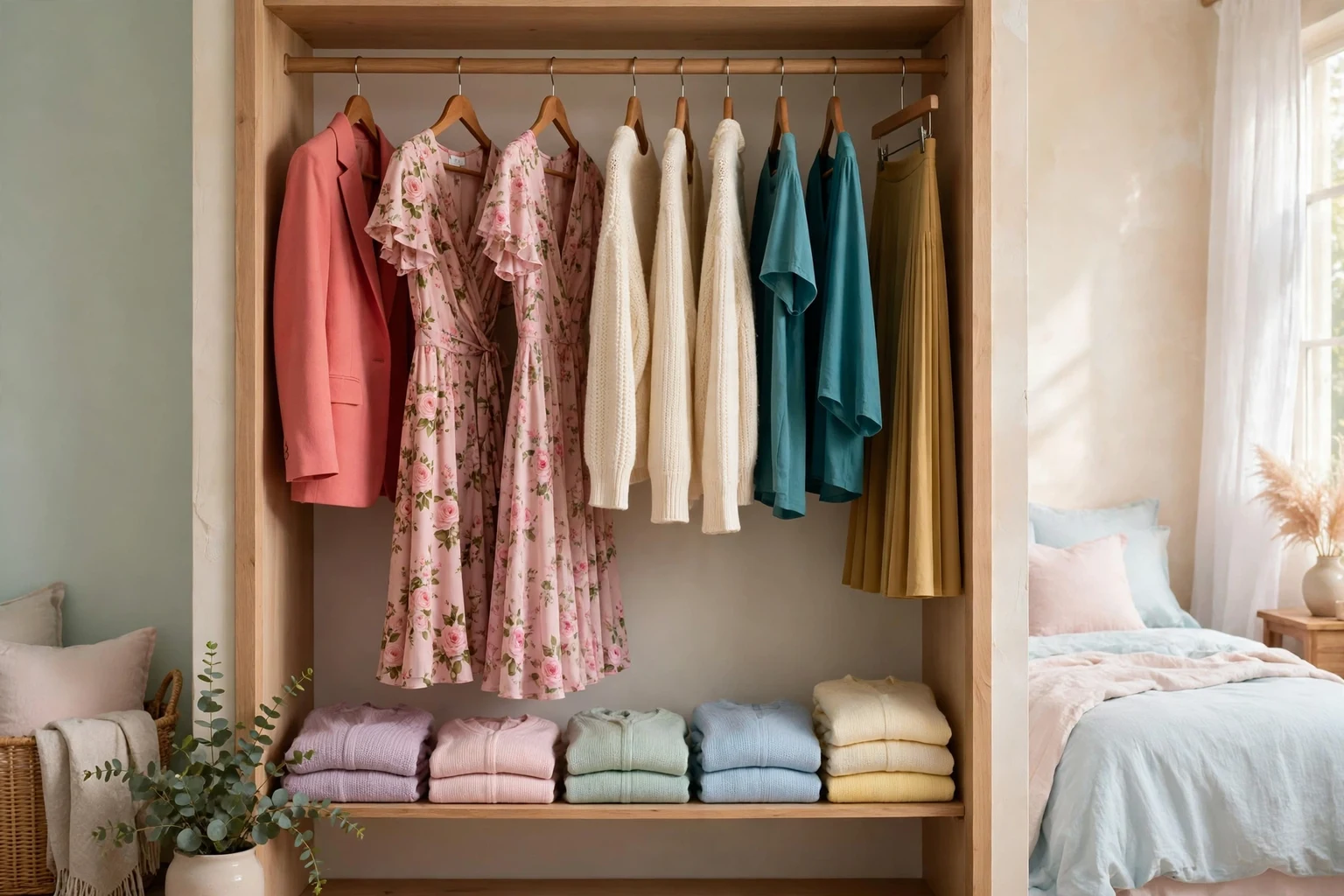
Final Thoughts
What is dressing for your archetype? It is dressing like yourself — on purpose. It explains why some outfits make you feel invisible and others make you feel unstoppable, and it gives you a simple filter for every shopping and styling decision from now on.
Start small. Find your main archetype, name your blend, and build your next three outfits around it. You will be surprised how quickly a wardrobe that “never works” starts working — because for the first time, it is actually yours.