
Invitation says “smart casual”, the office says business — and your wardrobe says panic? Stop guessing. The same closet can cover almost every occasion once you know which pieces to pick for each one. From everyday errands to wedding days, here is exactly what to wear — and how one pair of jeans styled 7 ways proves you do not need new clothes for every event.
Whether you prefer simple everyday clothing or more polished looks, learning how to choose outfits for different occasions can make getting dressed easier.
1. Casual Outfits for Everyday Activities
Everyday outfits should be comfortable, practical, and suitable for your routine. Whether you are shopping, meeting a friend, or running errands, choose clothing that allows you to move easily.
Some simple combinations include:
- Jeans with a basic T-shirt and sneakers.
- Straight-leg trousers with a relaxed shirt.
- A casual dress with comfortable flats.
- Wide-leg pants with a fitted top.
You can keep the look simple with a crossbody bag, sunglasses, or minimal jewelry.
Styling tip: Choose breathable fabrics and comfortable footwear, especially when you expect to spend several hours outside.
2. Smart Casual Outfits for Lunch and Meetups
Smart casual clothing is useful when you want to look polished without dressing too formally. It works well for lunch dates, informal meetings, and social gatherings.
Try combining tailored trousers with a simple blouse, dark jeans with a blazer, or a midi skirt with a neat top.
Loafers, ballet flats, ankle boots, and simple heels can complete the look. You can also add a structured handbag or understated accessories.
Styling tip: Choose one polished piece, such as a blazer or tailored trousers, and balance it with something relaxed.

3. Work and Office Outfits
Workwear should suit your workplace environment while allowing you to feel comfortable throughout the day. Some offices have formal dress codes, while others allow smart casual clothing.
For a professional look, consider:
- Tailored trousers with a button-down shirt.
- A simple blouse with a midi skirt.
- A neutral blazer over a basic top.
- A modest, well-fitted dress with comfortable shoes.
Neutral colors such as black, navy, beige, and grey are easy to coordinate. You can also add subtle colors or patterns if they suit your workplace.
Styling tip: Check your workplace dress expectations before choosing an outfit. Comfort matters too, especially if you spend much of the day sitting or moving around.
4. Dinner Date Outfits
A dinner date is a good opportunity to wear something that feels a little more special while still reflecting your personal style.
Depending on the location, you might choose a simple midi dress, tailored trousers with an elegant blouse, or dark jeans with a stylish top.
For a more polished appearance, add delicate jewelry, a small handbag, and shoes that suit the venue.
You do not need to wear something uncomfortable just because the occasion is special. Choose an outfit that allows you to enjoy the evening without constantly adjusting it.
Styling tip: Consider the restaurant, weather, and planned activities before deciding how formal your outfit should be.
5. Party and Celebration Outfits
Party outfits can be more expressive than everyday clothing. You can experiment with interesting colors, textures, prints, or statement accessories while keeping the overall look balanced.
For a casual celebration, a stylish top with trousers or a simple dress may be enough. For a more formal event, you might prefer an elegant dress, a coordinated outfit, or a polished jumpsuit.
Before choosing your clothing, consider the type of celebration, venue, and dress code.
Styling tip: If your outfit includes a bold print or statement detail, keep the remaining accessories relatively simple.
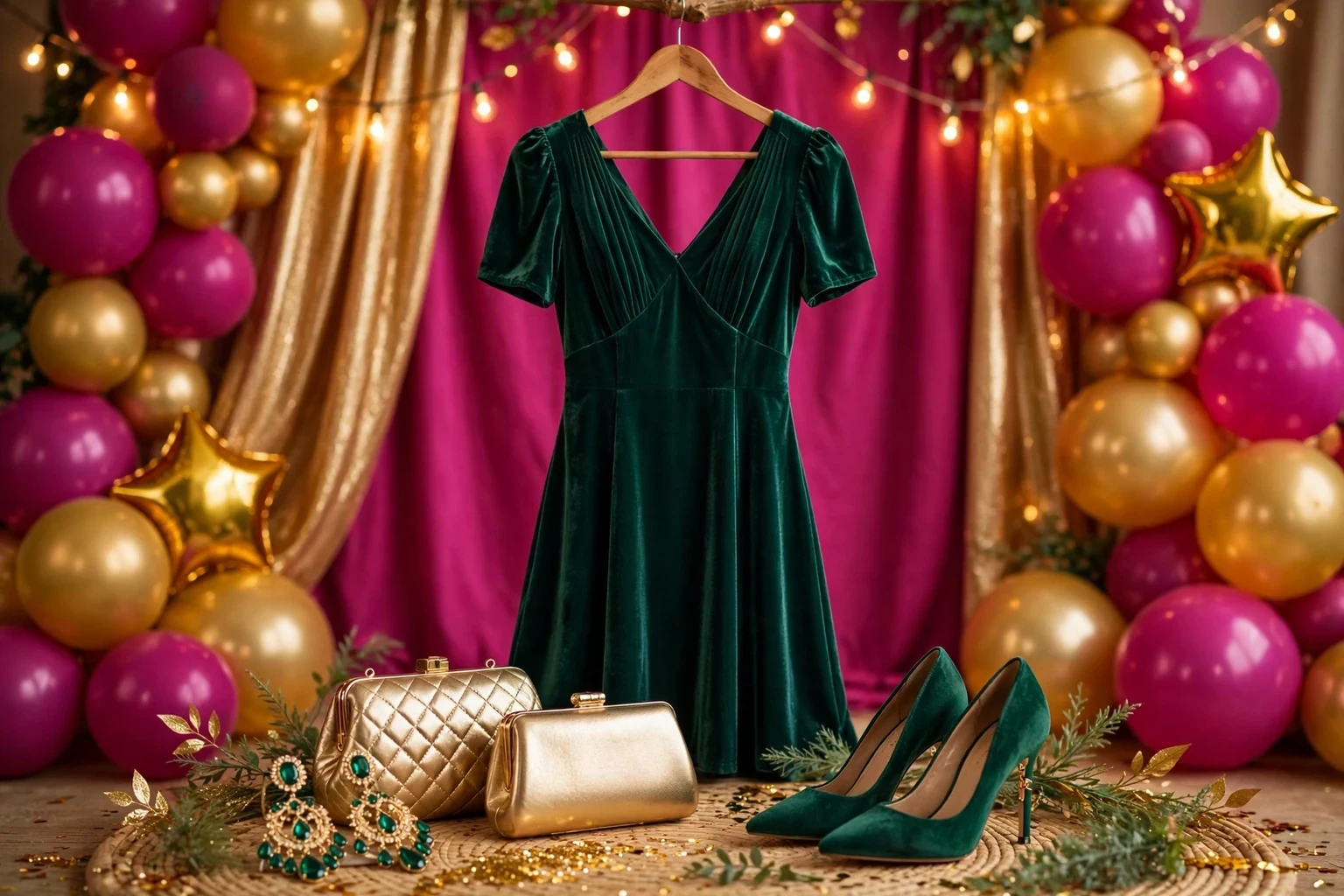
6. Wedding and Formal Event Outfits
Weddings and formal occasions often require more attention to the dress code, venue, and cultural expectations.
For these events, you might choose an elegant dress, a formal suit, a traditional outfit, or another style appropriate for the celebration.
Consider the time of day and location. Lightweight fabrics may be more comfortable for outdoor events in warm weather, while layered or heavier materials may suit cooler conditions.
Also, check whether the invitation mentions a particular dress code. Avoid assuming that every wedding requires the same level of formality.
Styling tip: Choose footwear that looks appropriate but is comfortable enough for the length of the event.
7. Travel and Long-Day Outfits
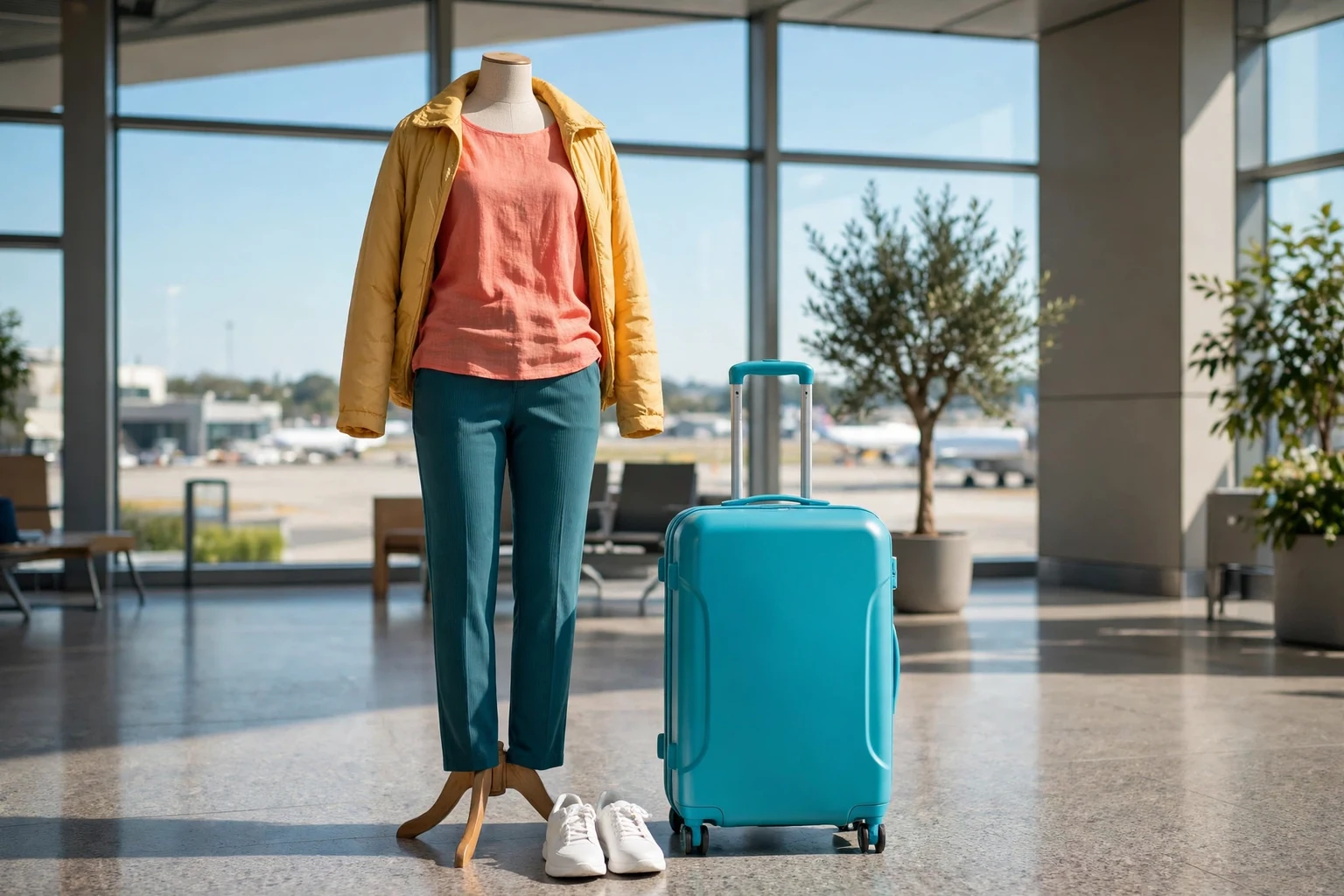
Travel outfits should prioritize comfort and practicality. Whether you are taking a long drive, flying, or exploring a new place, choose clothing that allows easy movement.
Useful options include:
- Stretchy trousers or comfortable jeans.
- Breathable T-shirts or tops.
- Lightweight sweaters or jackets.
- Comfortable sneakers or walking shoes.
- A practical bag for essentials.
Layers are especially useful when temperatures change between indoor and outdoor spaces.
Styling tip: Choose clothing that does not require constant adjustment and footwear suitable for the amount of walking you expect to do.
8. Seasonal Outfits for Changing Weather
The weather can influence which fabrics, layers, and footwear are most comfortable.
During warmer months, breathable fabrics, lightweight tops, loose trousers, and comfortable dresses can be practical choices.
For cooler weather, consider sweaters, cardigans, jackets, boots, and layering pieces.
You can also use clothing you already own in different ways. A summer dress, for example, may work in cooler weather when layered with a cardigan or jacket.
Styling tip: Check the weather before getting dressed and choose layers that can be added or removed throughout the day.
How to Choose the Right Outfit: 5 Things to Consider
Before deciding what to wear, think about a few practical details.
1. Understand the Dress Code
Check whether the event is casual, smart casual, business formal, or formal. If the invitation does not mention a dress code, consider the venue and type of gathering.
2. Consider the Location
An outfit suitable for a restaurant may not be practical for an outdoor event. Think about the surroundings, seating, walking, and activities involved.
3. Check the Weather
Choose fabrics and layers that suit the temperature. Comfortable clothing can make a long event much more enjoyable.
4. Focus on Fit and Comfort
Clothing should fit properly and allow you to move naturally. Avoid choosing an outfit that looks attractive but feels uncomfortable after a short time.
5. Reflect Your Personal Style
Dress codes provide guidance, but you can still choose colors, shapes, and accessories that reflect your personality.
How to Create Multiple Outfits Without Buying New Clothes
You do not need a new outfit for every occasion. Many wardrobe essentials can be styled differently with a few small changes.
For example, a simple black dress can work for a casual lunch with flats and a crossbody bag. The same dress can look more formal with heels, elegant accessories, and a structured handbag.
A blazer can be worn with jeans for a smart casual look or with tailored trousers for a professional outfit. A basic white shirt can also be styled with denim, skirts, or formal pants.
Try planning a few combinations using your existing clothing before purchasing something new. This can help you discover outfit options you may have overlooked.

Conclusions
Choosing outfits for different occasions becomes easier when you understand the setting, dress code, weather, and your own comfort needs. You do not have to follow complicated fashion rules or buy new clothes for every event.
Start with versatile wardrobe pieces and learn how to style them for different situations. A simple shirt, well-fitting trousers, a classic dress, and suitable footwear can create many useful combinations.
Most importantly, choose clothing that makes you feel comfortable and confident. Your outfit should help you enjoy the occasion rather than become something you have to worry about throughout the day.
Frequently Asked Questions
1. How do I choose an outfit for an occasion?
Consider the event type, dress code, location, weather, and activities. Then choose clothing that suits the setting and feels comfortable.
2. What should I wear to a smart casual event?
Smart casual outfits can include tailored trousers, dark jeans, a neat blouse, a blazer, loafers, or simple heels. The exact choice depends on the venue and event.
3. Can I wear jeans to a dinner or party?
Yes, if the setting allows casual or smart casual clothing. Choose well-fitting jeans and pair them with a polished top, suitable shoes, and simple accessories.
4. How can I look stylish without buying new clothes?
Try combining your existing pieces in different ways. Change your footwear, add a blazer, use accessories, or layer clothing to create fresh outfits.
5. How important is comfort when choosing an outfit?
Comfort is very important. Clothing that fits well and allows you to move naturally can help you feel more confident and enjoy the occasion.
6. Should I follow fashion trends when dressing for an event?
You can use trends for inspiration, but the outfit should suit the event and your personal style. Choose pieces you feel comfortable wearing rather than following every trend.