
Those small brown spots on your face did not appear overnight — and they do not have to stay forever. Sunspots are one of the most common skin concerns, and most of them can be faded with the right routine and a little patience. Here is what actually works.
Sunspots usually show up on the areas that catch the most sun — your cheeks, forehead, nose and upper lip. They are flat, they do not hurt, and in most cases they are completely harmless. But they do make the skin look uneven, and that is exactly why so many women want them gone. The good news? You have more options than you think.
What Are Sunspots on the Face?
Sunspots are flat brown or tan patches of skin, also called age spots, liver spots or solar lentigines. They form when years of sun exposure make your skin produce extra melanin — the pigment that gives skin its colour — in one concentrated spot instead of spreading it evenly.
Unlike a tan, which fades in a few weeks, sunspots stay. That is because the pigment has settled deeper and the skin in that spot has “learned” to over-produce melanin every time the sun touches it.
Sunspots are only one part of the bigger picture of skin health. If you want to understand the full foundation first, start with The Ultimate Beauty Guide and then come back here for this targeted routine.
What Causes Sunspots?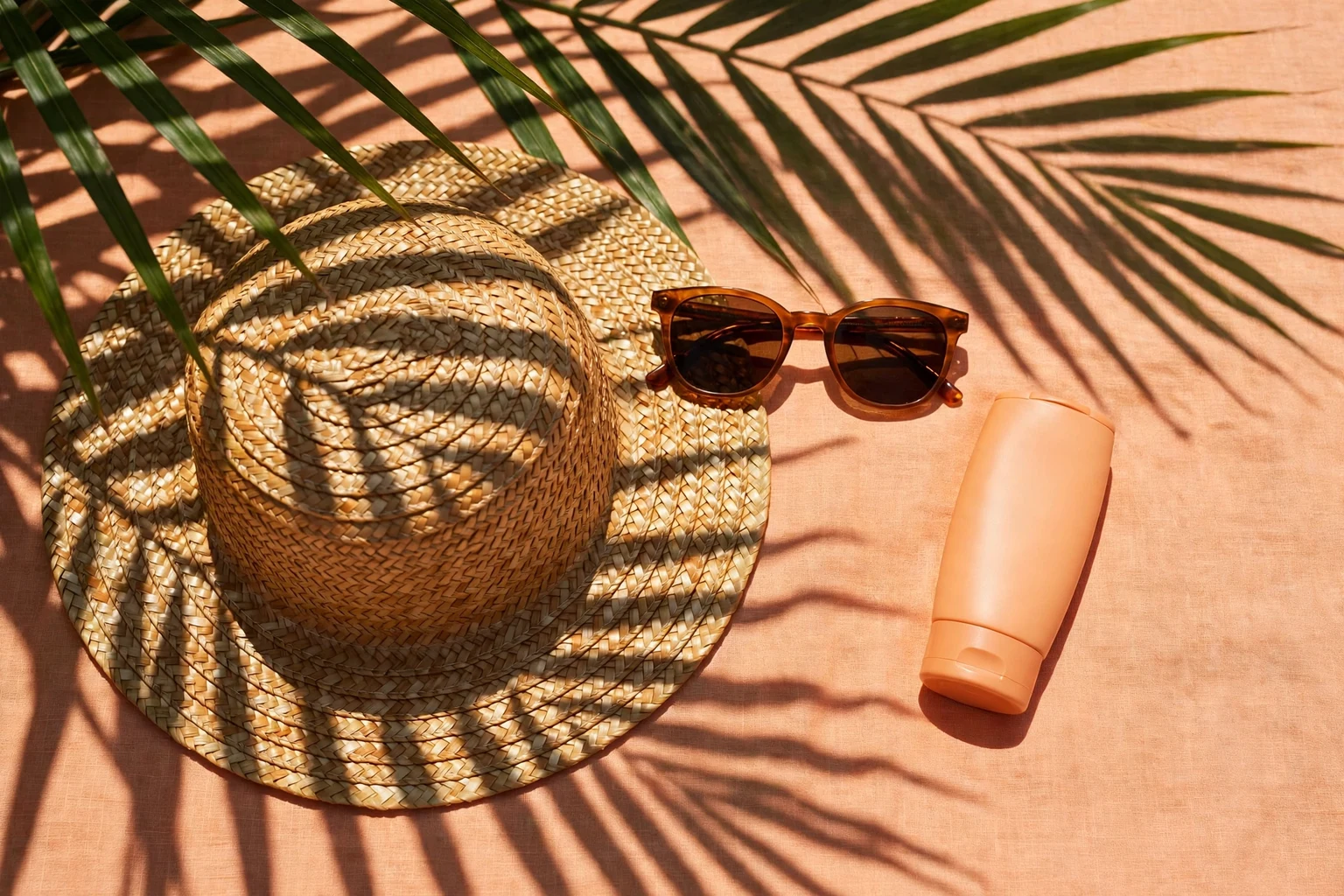
The number one cause is simple: the sun. But a few other things speed the process up:
- Years of UV exposure — every unprotected day in the sun adds up, even short ones like driving or walking to the market.
- Tanning beds — they use concentrated UV light, which means concentrated pigment damage.
- Age — younger skin repairs UV damage quickly. As we get older, that repair slows down and the spots start to show.
- Skin type and genetics — fair skin shows sunspots earlier, but every skin tone can get them.
- Hormones — hormonal changes can make pigmentation worse, which is why sunspots are often confused with melasma.
A quick way to tell the difference: freckles fade in winter, sunspots do not. Melasma appears in larger, symmetrical patches (often on both cheeks), while sunspots are smaller, separate spots in sun-exposed areas.
Ingredients That Actually Fade Sunspots
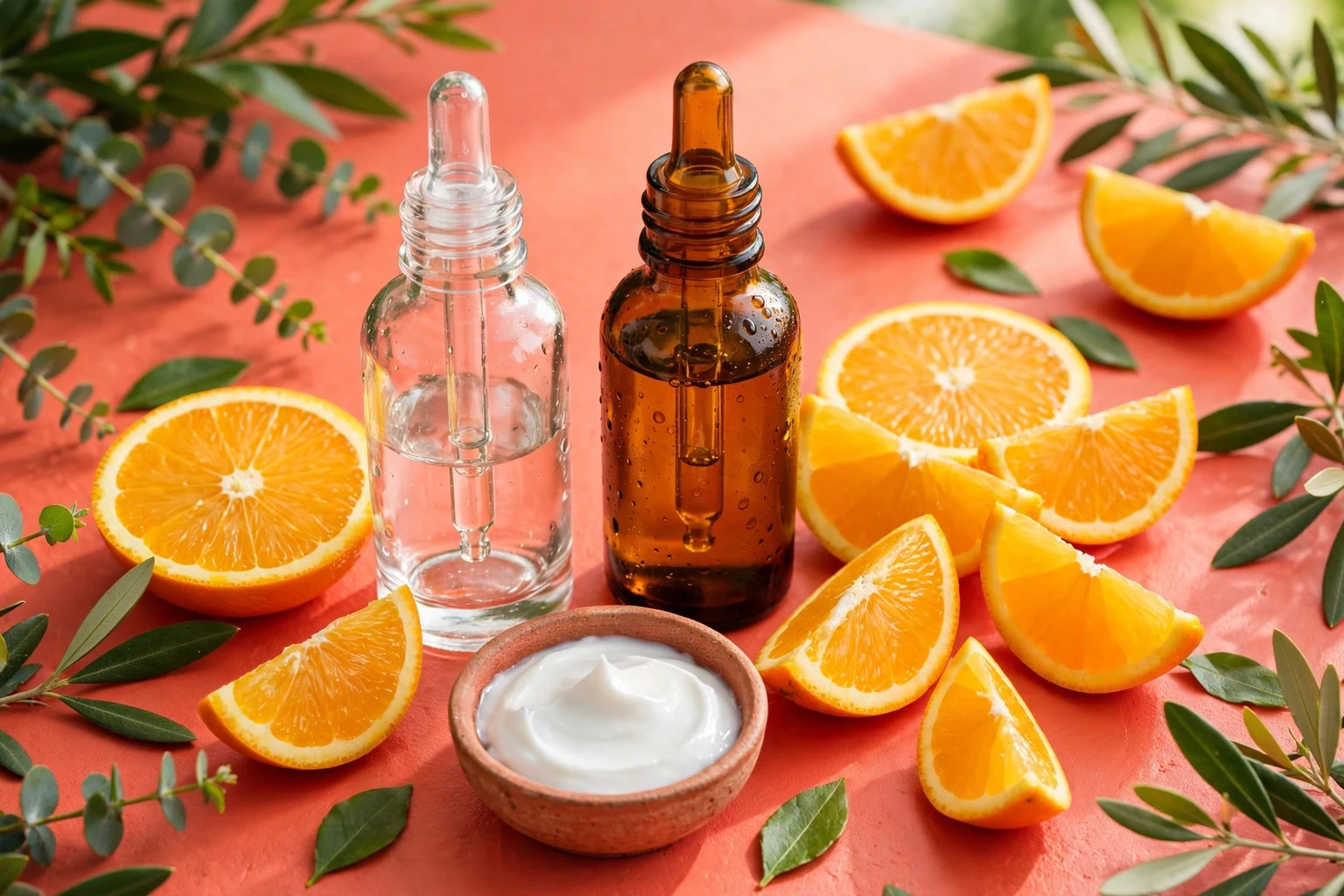
There is no magic cream, but there are ingredients with real science behind them. Any good hyperpigmentation on face treatment usually contains one or more of these:
Vitamin C
A brightening antioxidant that slows down excess melanin production and brings back the skin’s natural glow. Use it in the morning, under your sunscreen — the two work beautifully together.
Niacinamide
One of the gentlest options. Niacinamide (vitamin B3) stops pigment from travelling up to the skin’s surface, so spots look lighter over time. It suits almost every skin type, including sensitive skin.
Retinol
Retinol speeds up cell turnover, which means the pigmented old cells are replaced by fresh, even-toned ones faster. Use it only at night, start two or three times a week, and always pair it with sunscreen the next morning — retinol makes skin more sun-sensitive.
AHAs (Glycolic and Lactic Acid)
These gentle chemical exfoliants dissolve the top layer of dull, pigmented cells so brighter skin can come through. A glycolic acid toner or serum two to three nights a week is a good place to start.
Azelaic Acid and Licorice Extract
Two underrated, gentle ingredients that calm the skin while quietly working on pigmentation. A great choice if your skin gets irritated easily.
One honest warning: do not stack all of these at once. Pick one or two, use them consistently, and give them time. Patience fades sunspots — product-hopping does not.
A Simple Routine to Fade Sunspots
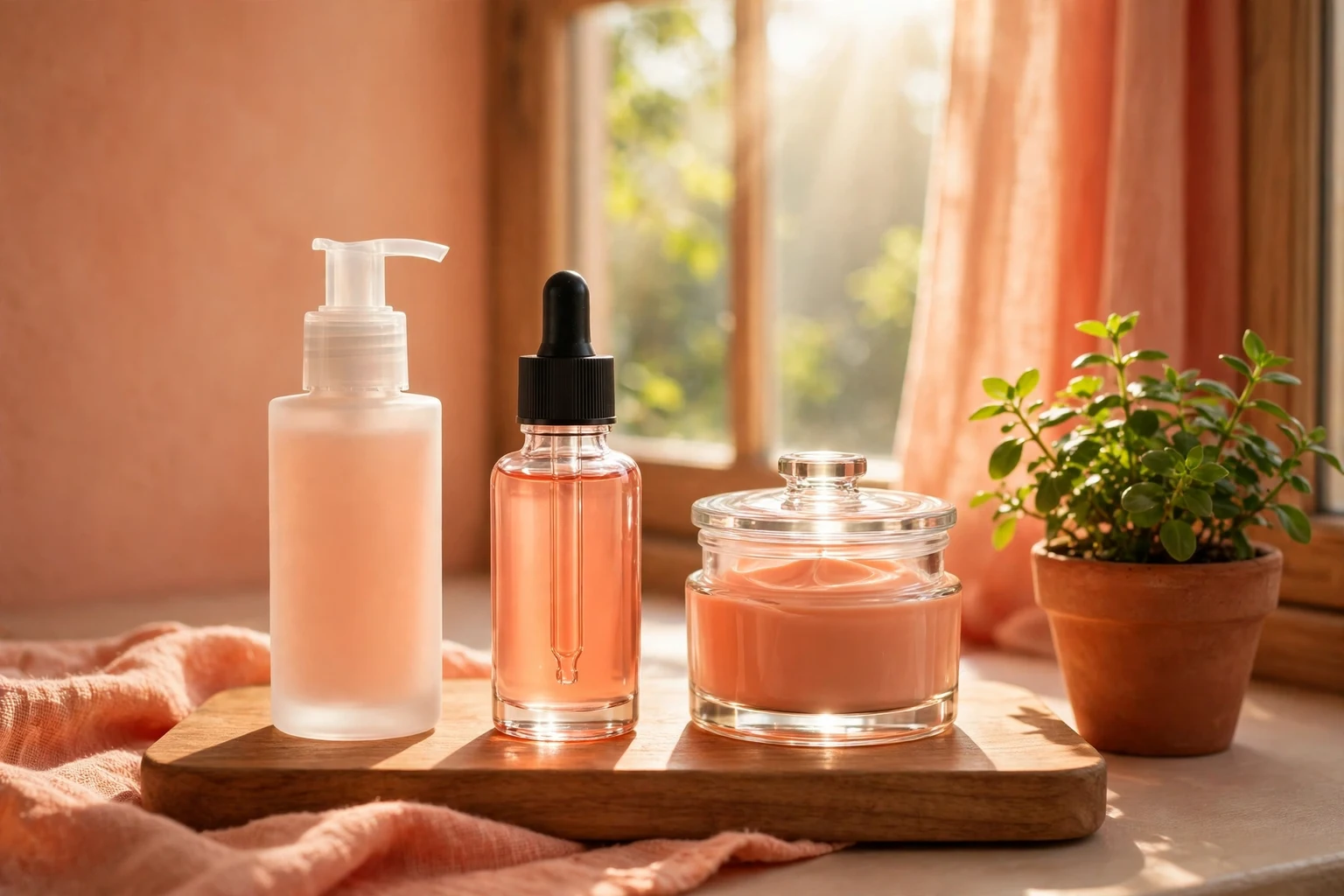
You do not need a ten-step routine. You need the right steps, in the right order, every day.
Morning:
1. Gentle cleanser (or just lukewarm water if your skin is dry)
2. Vitamin C serum
3. Moisturizer
4. Sunscreen SPF 30 or higher — this is the most important step of all
Evening:
1. Cleanser to remove the day’s sunscreen, makeup and dust
2. Treatment step — retinol or an AHA product, on alternate nights
3. Moisturizer to seal everything in
If you are still building your basics, follow this complete skincare routine guide first and simply add the treatment step from this post.
How long does it take? With consistent use, most women see real fading in 8 to 12 weeks. Sunspots took years to form — give your skin a fair chance to undo them.
Gentle Home Remedies That Can Help

Home remedies will not erase deep sunspots, but a few gentle ones can support your routine and help mild pigmentation fade faster:
- Aloe vera — contains aloin, a natural compound that may help lighten pigmentation. Apply fresh gel for 20 minutes, then rinse.
- Green tea — cooled green tea used as a toner or compress is rich in antioxidants that protect the skin from further sun damage.
- Vitamin E oil — a few drops massaged over the spots at night helps repair and soften the skin.
- Honey and yoghurt mask — a soothing weekly mask that gently brightens dull, uneven skin.
Please skip one popular “remedy”: lemon juice. It irritates the skin and makes it more sensitive to sunlight — which can make your sunspots darker, not lighter.
Always patch-test anything new on a small area first.
Professional Treatments for Stubborn Sunspots

If your spots are old, dark or not responding to skincare after three months, a dermatologist has stronger options:
- Chemical peels — a clinic-strength exfoliation that removes several layers of pigmented skin at once.
- Laser and IPL treatments — targeted light that breaks the pigment into tiny pieces your body clears away. Usually the fastest option.
- Cryotherapy — the spot is briefly frozen so the pigmented skin peels off and fresh skin replaces it.
- Prescription creams — a dermatologist may prescribe stronger fading creams for a limited time.
These cost more, but for stubborn spots they can do in a few sessions what creams cannot do in a year.
How to Reduce Pigmentation and Stop New Sunspots
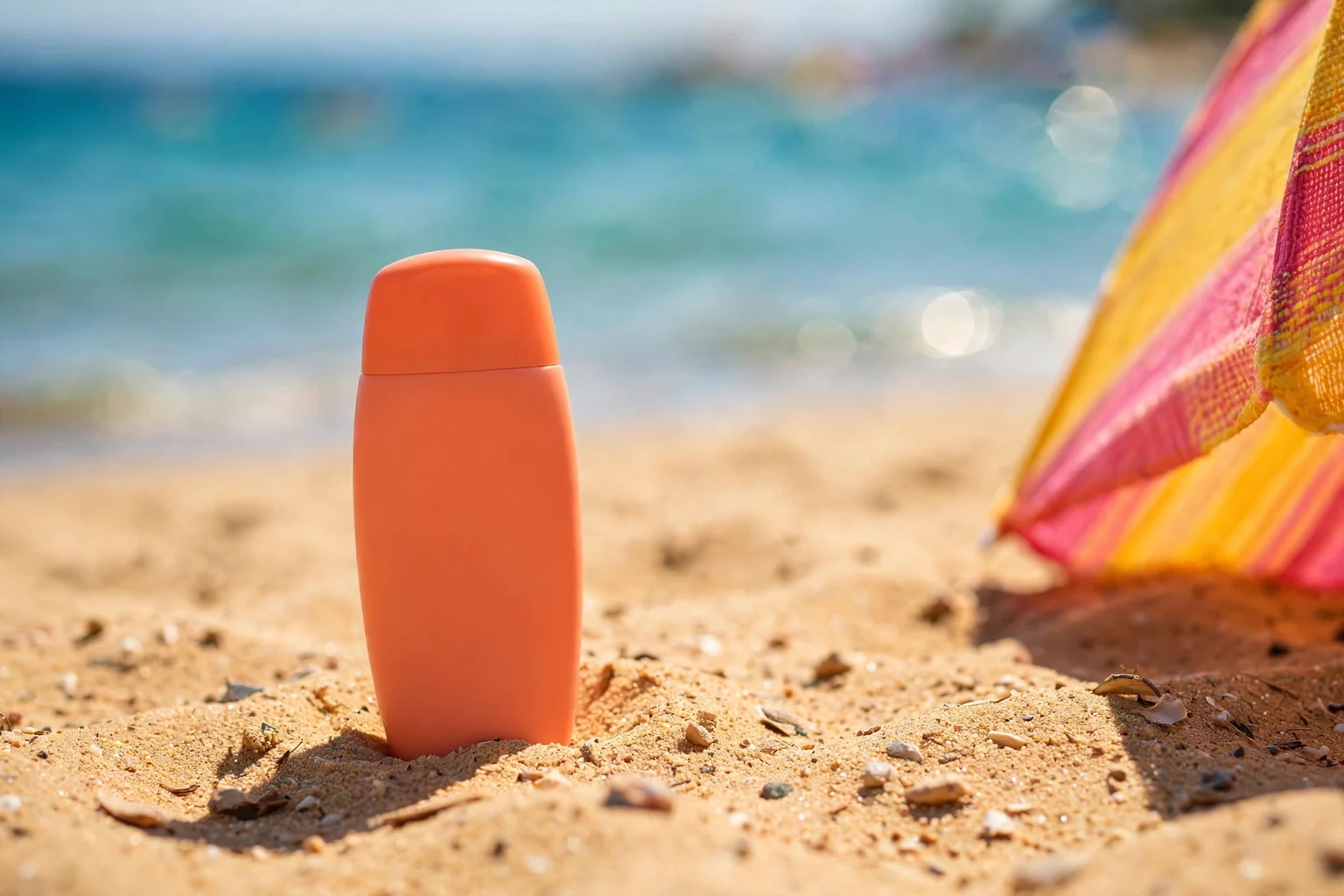
Fading spots while new ones keep forming is like mopping a floor with the tap running. If you want to know how to reduce pigmentation in the long term, prevention is half the treatment:
- Wear sunscreen every single day — even when it is cloudy, even when you are mostly indoors. UV rays pass through clouds and windows.
- Reapply every two hours when you are outdoors.
- Cover up at peak hours — a hat and shade between 10 am and 4 pm protect your face more than any cream.
- Say no to tanning beds — completely.
- Never pick or scrub at spots — irritation triggers more pigment, not less.
- Start early — new, light spots fade far faster than old, dark ones.
Common Mistakes That Make Sunspots Worse
- Using brightening products but skipping sunscreen (the spots return as fast as they fade)
- Expecting results in one week and quitting too early
- Over-exfoliating until the skin is red and irritated — irritated skin produces extra pigment
- Layering too many strong actives at the same time
- Stopping all treatment the moment the spots lighten — a maintenance routine keeps them away
FAQs
Do sunspots go away on their own? Almost never. Without treatment and sun protection, they usually stay the same or slowly get darker over the years.
How long does it take to fade sunspots? With a consistent routine, expect visible fading in 8 to 12 weeks. Professional treatments can work faster, sometimes in a few sessions.
Are sunspots dangerous? Sunspots themselves are harmless. But any spot that changes shape, grows quickly, darkens unevenly, itches or bleeds should be checked by a dermatologist — never ignore a changing spot.
Can makeup cover sunspots? Yes. A peach or orange colour corrector under your foundation neutralises brown spots well. Makeup hides them for the day, but only treatment and sunscreen fade them for good.
Final Thoughts
Sunspots are stubborn, but they are not permanent. The formula is simple: fade them with the right ingredients, protect your skin with sunscreen every morning, and give it a few months of consistency. That is how you get rid of sunspots on face — slowly, safely and for real.
This post shares general skincare information, not medical advice. If a spot looks unusual or keeps changing, please get it checked by a dermatologist.