
Beauty is not about following every trend or using dozens of products. It is about understanding your needs, developing simple habits, and choosing skincare and makeup products that work for your lifestyle. A thoughtful beauty routine can help you feel more confident while making everyday self-care easier.
Whether you are new to skincare, learning to apply makeup, or looking for practical ways to improve your daily routine, the right information can help you make more informed choices.
This ultimate beauty guide covers skincare basics, everyday makeup, haircare, personal grooming, and practical beauty tips for beginners. You will also learn how to build a routine that fits your preferences without making your beauty budget unnecessarily expensive.
1. Understand Your Personal Beauty Needs
Before choosing beauty products, consider your skin, daily habits, preferences, and lifestyle. A routine that works for one person may not suit another, so it is helpful to begin with your own needs rather than copying someone else’s products.
For skincare, notice whether your skin generally feels oily, dry, combination, or easily irritated. These observations can help you narrow down suitable products, although skin conditions may require professional assessment.
For makeup, consider the looks you enjoy and the occasions for which you usually get ready. Some people prefer a natural appearance with minimal products, while others enjoy experimenting with color and different techniques.
Your routine should be practical enough to maintain consistently. You do not need to purchase every popular product to establish effective beauty habits.
2. Build a Simple Skincare Routine
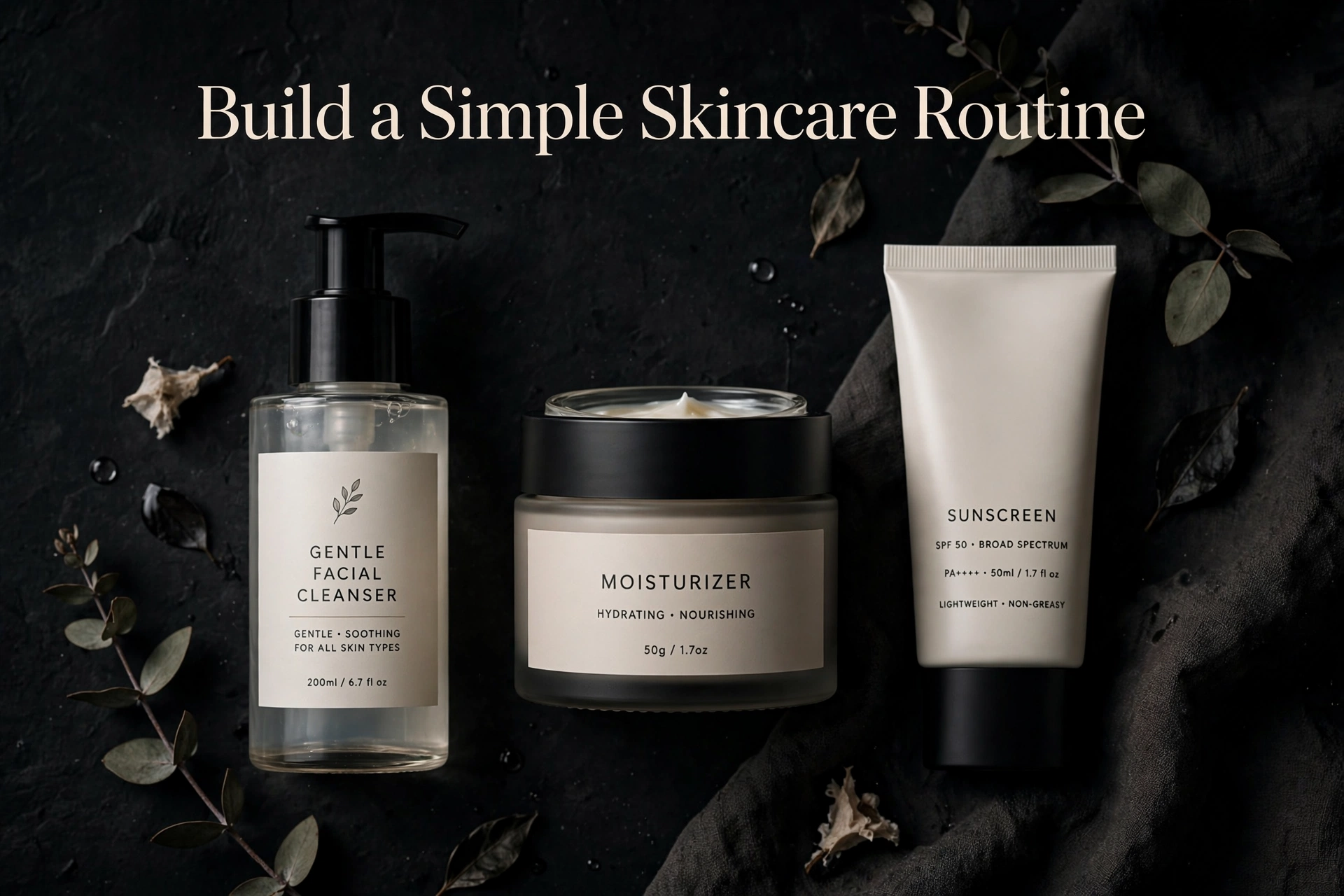
Skincare is a useful foundation for everyday beauty. A simple routine is often easier to maintain than one containing many products.
Cleanse your skin gently
A facial cleanser helps remove dirt, excess oil, sweat, and makeup. Choose a gentle product suited to your skin and avoid washing so aggressively that your skin feels uncomfortable or excessively dry.
How often you cleanse depends on your skin and activities. Many people cleanse in the evening to remove the day’s buildup and use a gentle morning cleanse or rinse according to their needs.
Use a suitable moisturizer
Moisturizer helps support the skin’s protective barrier and reduce moisture loss. Lightweight lotions or gels may suit some people who prefer lighter textures, while creams may be more comfortable for dry skin.
Apply moisturizer according to the product directions and adjust your choice if a product causes persistent irritation.
Apply sunscreen during the day
Sun protection is an important part of a daytime skincare routine. Choose a broad-spectrum sunscreen with SPF 30 or higher and follow its label instructions. Reapply as directed, especially after swimming, sweating, or spending extended periods outdoors.
Sunscreen helps protect against ultraviolet radiation, which contributes to sunburn, premature skin aging, and skin cancer risk.
Introduce new products gradually
Avoid starting several active skincare products at once. Introducing products gradually makes it easier to notice whether one causes irritation.
If you have persistent acne, severe irritation, or another ongoing skin concern, consider consulting a qualified dermatologist instead of relying only on beauty products.
3. Learn the Basics of Everyday Makeup
Makeup can enhance your preferred features and help you express your personal style. You do not need a full collection to create a polished everyday look.
Start with comfortable skin preparation
Begin with clean, moisturized skin. During the day, apply sunscreen and allow it to settle according to the product instructions before applying makeup.
If you use a primer, choose one that works well with your other products. Primer is optional, so you can skip it if your makeup already applies smoothly.
Choose a base product that suits you
Foundation, skin tint, and tinted moisturizer offer different levels of coverage. Choose a finish and coverage level that feels comfortable and suits the look you want.
Test the shade in natural light when possible. The goal is to find a product that blends naturally with your skin rather than choosing a shade based only on online pictures.
Apply concealer where needed
Concealer can help cover specific areas or brighten parts of the face. Use a small amount first and blend gently. Adding too much product can create a heavy appearance or emphasize texture.
Add color gradually
Blush, bronzer, highlighter, and other complexion products are optional. If you use them, start with a small amount and build gradually until you reach your preferred effect. A light hand can make everyday makeup easier to blend and adjust.
4. Choose Makeup Essentials for Your Routine
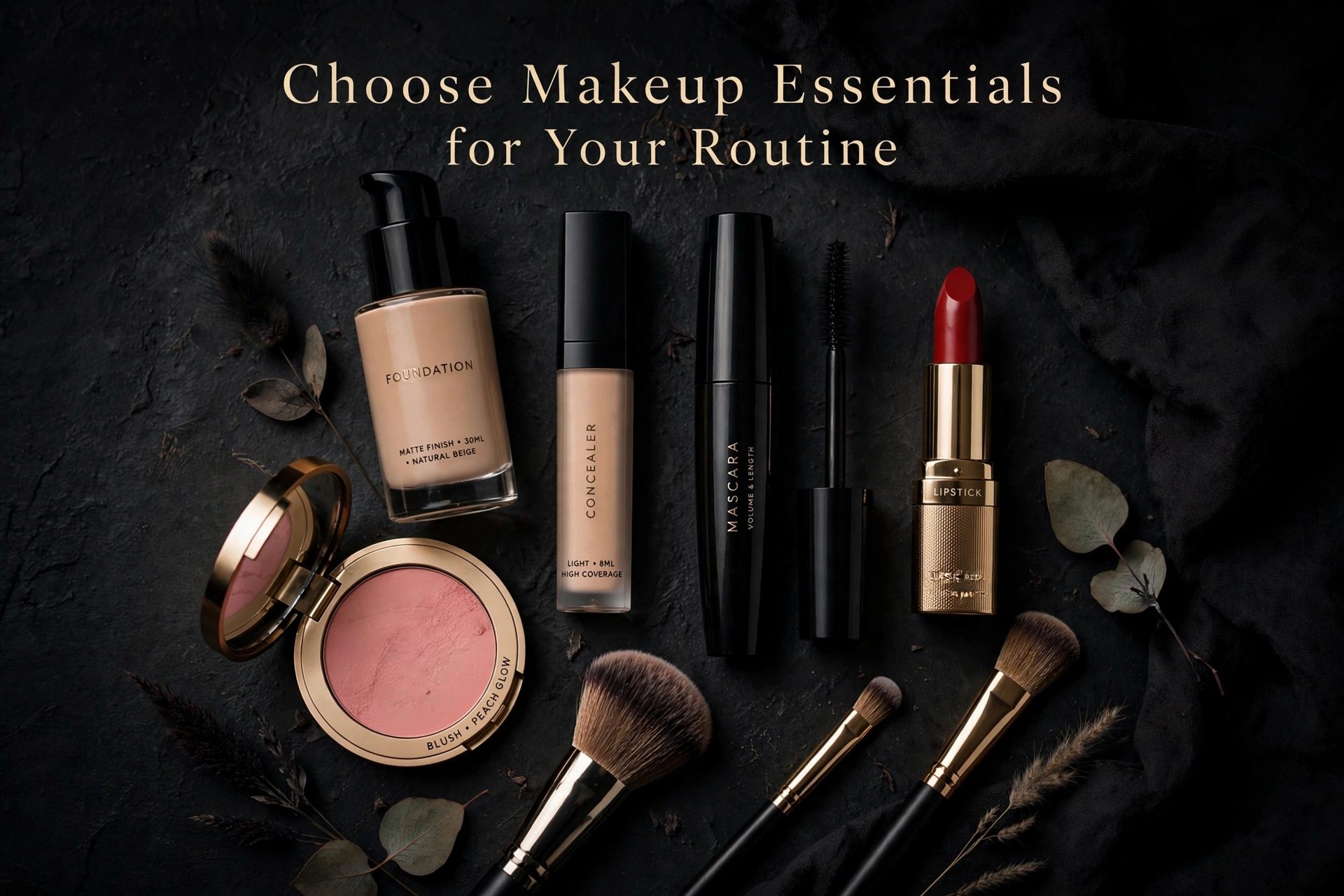
A beginner does not need every product available. Start with items you are likely to use regularly.
A practical everyday makeup collection may include:
- A foundation, skin tint, or tinted moisturizer if you want complexion coverage
- Concealer for targeted coverage
- Blush for a touch of color
- Mascara if you enjoy defining your lashes
- An eyebrow pencil or gel if you prefer to shape your brows
- Lip balm or a lipstick in a shade you enjoy
- Makeup remover or a cleanser that effectively removes your products
You can add more products as your preferences develop. Consider your budget, skin sensitivity, product expiry guidance, and how often you will use each item before purchasing.
5. Find a Makeup Style That Suits You
There is no single makeup style that everyone needs to follow. The best approach is to experiment with looks that fit your comfort level and personal taste.
Natural everyday makeup
A natural look may include moisturizer, sunscreen, a small amount of complexion product, blush, mascara, and lip balm. You can simplify it further depending on your needs.
Soft glam makeup
Soft glam usually combines blended complexion products, softly defined eyes, and coordinated lip and cheek colors. It can be adapted for dinners, celebrations, and other occasions.
Bold makeup
Bright lipstick, colorful eyeshadow, eyeliner, or statement blush can add personality to a look. Try one prominent feature at a time if you want a balanced result, or experiment with combinations you enjoy.
Remember that makeup is personal expression. Trends can inspire you, but you do not need to follow them if they do not suit your preferences.
6. Maintain Healthy Haircare Habits
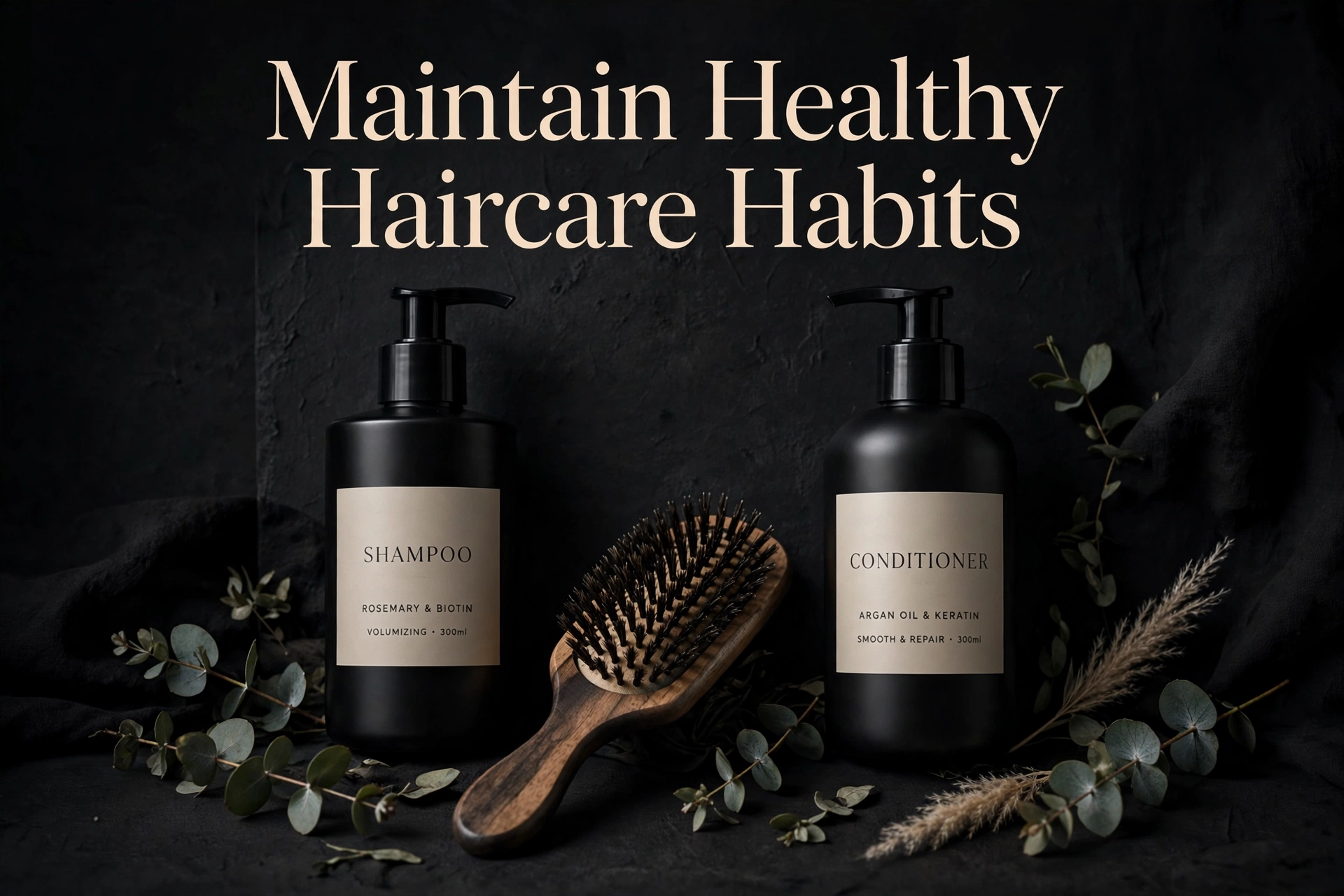
Haircare is another important part of an everyday beauty routine. The right approach depends on your hair texture, scalp condition, styling habits, and personal preferences.
Choose suitable shampoo and conditioner
Use a shampoo that cleans your scalp comfortably and a conditioner suited to your hair’s needs. Some hair types benefit from richer conditioning products, while others may prefer lighter formulas.
Follow the product directions and adjust your routine according to how your hair and scalp respond.
Reduce unnecessary heat styling
Frequent high-heat styling can contribute to hair damage. When using heated tools, follow the manufacturer’s guidance and consider a suitable heat protectant. Lower temperatures and less frequent styling may help reduce exposure.
Handle wet hair gently
Wet hair can be more vulnerable to damage from rough handling. Detangle carefully with a suitable brush or comb, starting at the ends and working gradually upward.
Keep your routine realistic
You do not need a complicated haircare routine to maintain your hair. Regular cleansing, suitable conditioning, gentle handling, and appropriate trims can form a practical foundation.
If you experience sudden or persistent hair loss or scalp symptoms, seek advice from a healthcare professional.
7. Make Personal Grooming Part of Your Routine
Personal grooming includes small habits that help you feel comfortable and prepared for the day. These habits do not need to be expensive or time-consuming.
Keep your makeup brushes and tools clean according to their care instructions. Wash reusable applicators regularly, avoid sharing products that come into contact with the eyes or lips, and replace products according to their expiry guidance.
Maintain a simple lip-care routine using a comfortable lip balm. If you spend time outdoors, consider a lip product with sun protection and follow its label directions.
Hand and nail care can also be straightforward. Keep nails clean, moisturize your hands when needed, and choose nail products based on your preferences.
Good grooming is about hygiene, comfort, and personal choice rather than meeting a particular beauty standard.
8. Follow Beauty Habits That Support Your Well-Being
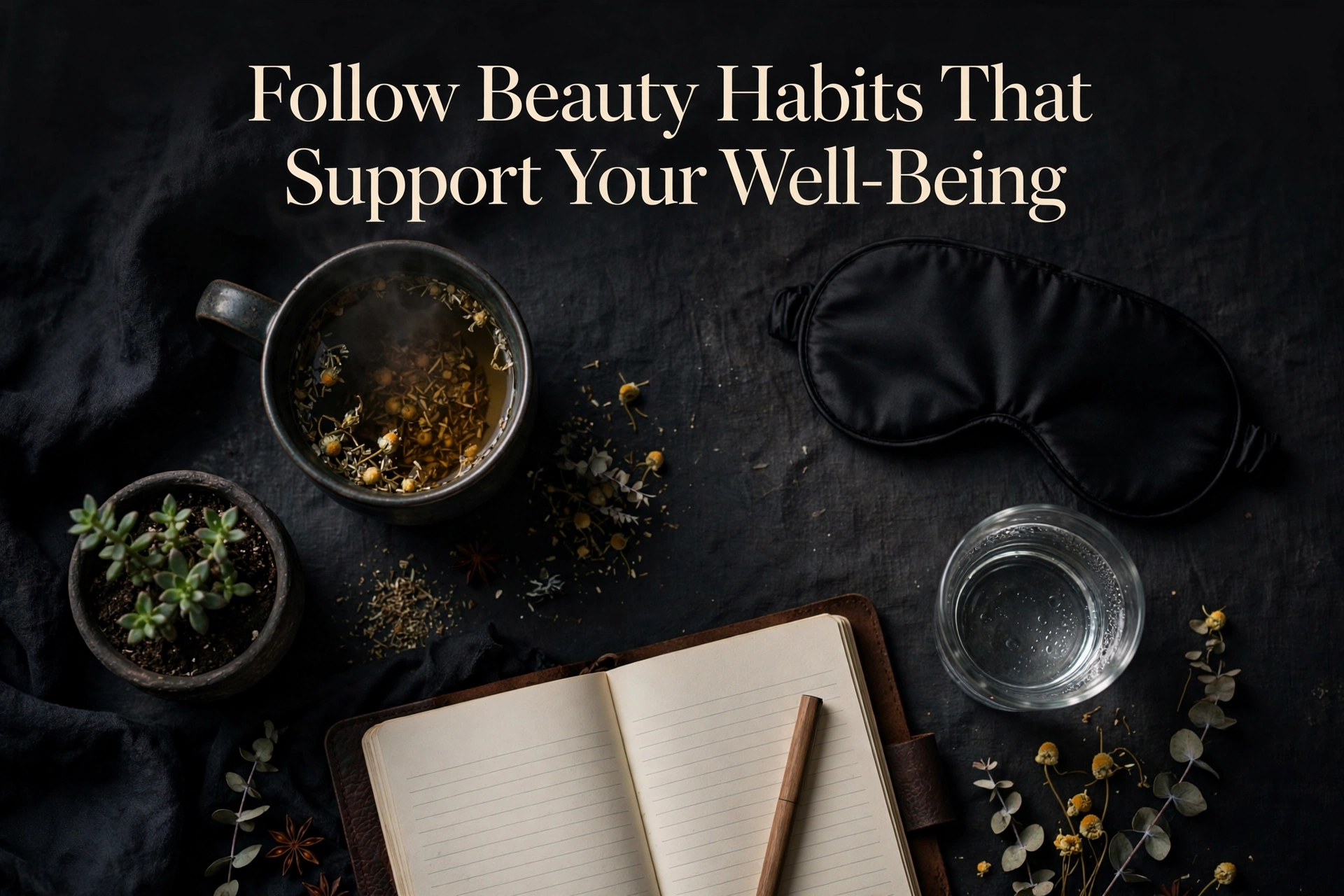
Everyday habits can influence how you feel and how your skin and hair look. Although no routine can guarantee a particular appearance, consistent self-care can support general well-being.
Get enough sleep
Adequate sleep supports overall health. Establish a regular sleep schedule when possible and create a comfortable bedtime environment.
Eat a varied, balanced diet
A varied diet provides nutrients needed for normal body functions. Include different foods that suit your dietary needs rather than relying on restrictive beauty diets or unproven supplements.
Stay hydrated
Drink fluids regularly according to your needs, activity level, and climate. Drinking excessive amounts of water will not automatically solve skin concerns, so keep expectations realistic.
Manage stress in practical ways
Relaxation, enjoyable activities, regular movement, and time away from screens may help you manage everyday stress. Choose habits that fit your routine and feel sustainable.
These practices complement skincare and grooming but do not replace appropriate medical care when a health concern arises.
9. Common Beauty Mistakes to Avoid
Even a well-intentioned routine can become less useful when it includes unnecessary steps or unsuitable products.
- Using too many active skincare products: Combining several strong ingredients without understanding their effects may irritate the skin. Introduce products gradually and follow label directions.
- Skipping sun protection: Sunscreen is an important daytime skincare step, particularly when spending time outdoors.
- Choosing makeup only because it is trending: A popular product may not suit your preferences, skin, or budget.
- Sleeping in makeup: Removing makeup before bed helps clear away makeup, oil, and daily buildup.
- Sharing makeup products: Sharing products that touch the eyes or lips can spread germs. Keep personal tools clean and avoid sharing them.
- Expecting instant results: Many skincare products need consistent use, and results vary. Avoid changing your entire routine every few days.
- Ignoring persistent skin or scalp problems: Beauty products are not a substitute for professional assessment when symptoms are severe, persistent, or worsening.
10. Build a Beauty Routine on a Budget
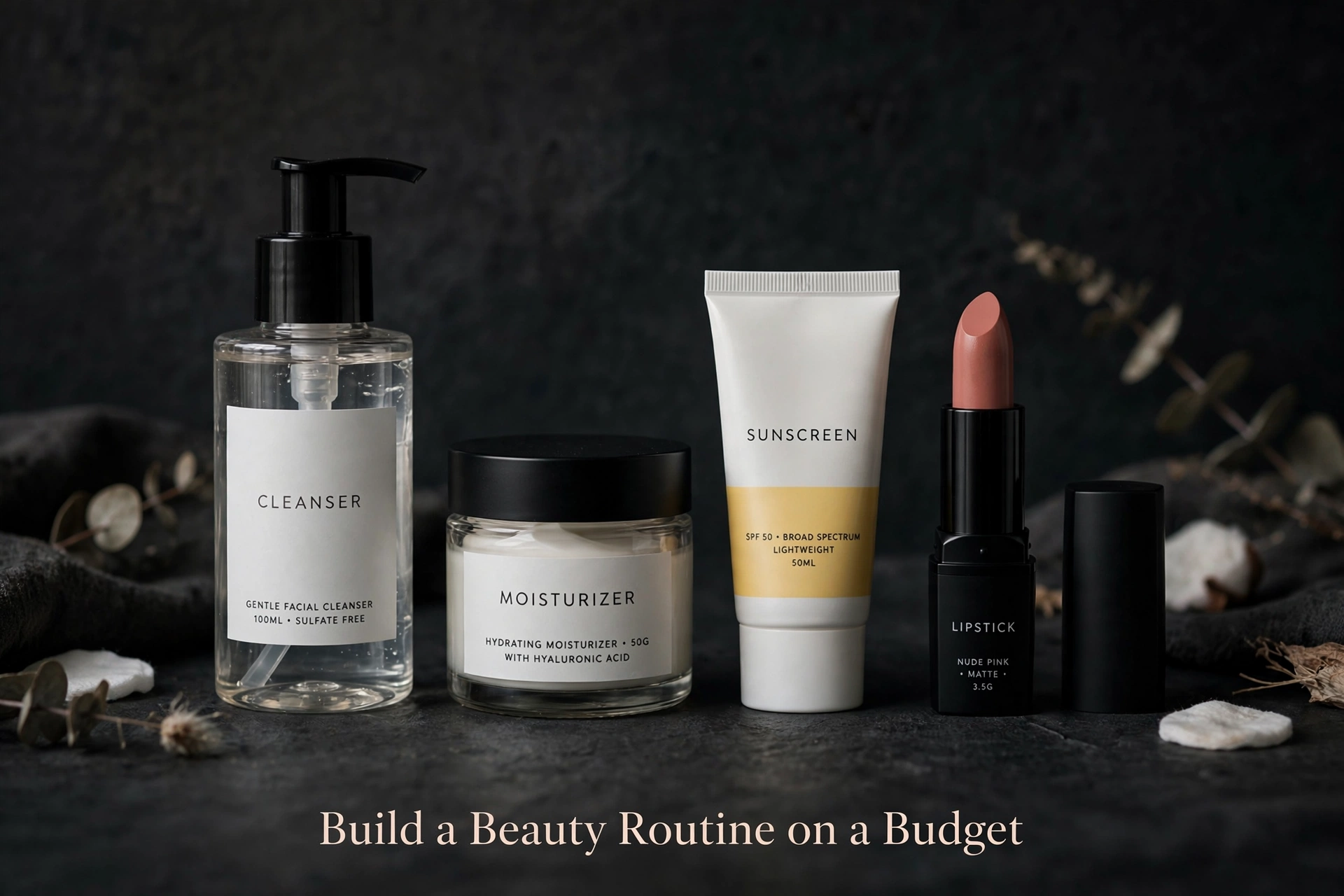
A useful beauty routine does not require luxury products. Thoughtful choices can help you spend money on items that meet your actual needs.
Prioritize essentials
Start with the products that serve a clear purpose. For many people, that means a gentle cleanser, moisturizer, sunscreen, and a few makeup products they use regularly.
Avoid unnecessary purchases
Before buying a trending product, consider whether you already own something that serves the same purpose. Using products consistently can be more practical than frequently replacing them with new launches.
Compare ingredients and instructions
Read product labels and follow usage directions. A higher price does not automatically mean a product is more suitable for your skin or hair.
Shop with a list
Write down what you need before shopping. This can reduce impulse purchases and help you keep your beauty spending within a comfortable budget.
Replace products thoughtfully
Follow expiry information and storage instructions. Avoid keeping products that have changed in smell, color, or texture, and do not use products that cause persistent irritation.
For more guidance on choosing products and maintaining healthy-looking skin, read our related guide, A Complete Skincare Routine for Beginners: Step-by-Step Guide.
Conclusion
An effective beauty routine does not have to involve expensive products, complicated steps, or constant trend-following. Understanding your needs, choosing suitable skincare, learning basic makeup techniques, and maintaining practical haircare and grooming habits can help you create a routine that feels right for you.
Start with the essentials, introduce new products gradually, and give yourself time to discover your preferences. Focus on comfort, consistency, and informed choices rather than chasing perfection.
At TheFashLuxia, beauty is about finding practical ways to express your personal style and feel confident in your everyday life.
Frequently Asked Questions
What are the best beauty tips for beginners?
Start with a simple skincare routine, use daytime sun protection, learn a few basic makeup techniques, and choose products that suit your needs. Introduce new products gradually and avoid buying everything at once.
What beauty products should I buy first?
Depending on your needs, useful starting products may include a gentle cleanser, moisturizer, broad-spectrum sunscreen, makeup remover, and a few makeup items you regularly use.
How can I create a simple daily beauty routine?
In the morning, use suitable skincare and sunscreen. In the evening, remove makeup and sunscreen, cleanse your skin, and moisturize. Add makeup, haircare, or grooming steps according to your preferences.
How can I improve my beauty routine without spending much?
Prioritize essential products, use what you already own, compare product labels, and avoid purchasing items only because they are trending. A smaller, well-chosen collection may meet your needs.
Is an expensive skincare product always better?
No. Price alone does not determine whether a product is suitable. Consider its ingredients, intended use, directions, your skin’s needs, and how comfortably you tolerate it.
How often should I change my beauty routine?
Change it when your needs change or a product is unsuitable. Avoid introducing many new products simultaneously, and seek professional advice for persistent skin or scalp concerns.
Should I follow every beauty trend?
No. Trends can provide inspiration, but you can choose the techniques and products that suit your preferences, lifestyle, and budget.