
Be honest — how many clothes in your wardrobe have you not worn in months? If your closet is full but you still feel you have “nothing to wear,” the problem is not your wardrobe. It is how it was built.
A sustainable wardrobe flips the way you shop: fewer, better pieces that you actually wear, love, and keep for years — instead of a pile of impulse buys that fall apart after three washes. And no, it does not mean throwing everything out or spending a fortune on “eco” brands.
In this guide, you will learn 10 practical steps to build a wardrobe that saves you money, ends the morning outfit stress, and cuts waste — starting with the clothes you already own. If you have read my guide on how to build a timeless wardrobe, this is the perfect next step.
What Is a Sustainable Wardrobe?
A sustainable wardrobe is a collection of clothing chosen and maintained with greater attention to environmental impact, quality, durability, and responsible consumption.
It focuses on getting more use from the clothes you own instead of constantly purchasing new items. It also encourages shoppers to consider how clothing is made, what materials are used, and how garments can be cared for or reused.
Sustainable fashion does not mean you must stop enjoying trends or avoid shopping completely. It is about making more informed decisions and finding a balance between personal style and responsible consumption.
1. Start by Reviewing Your Existing Wardrobe
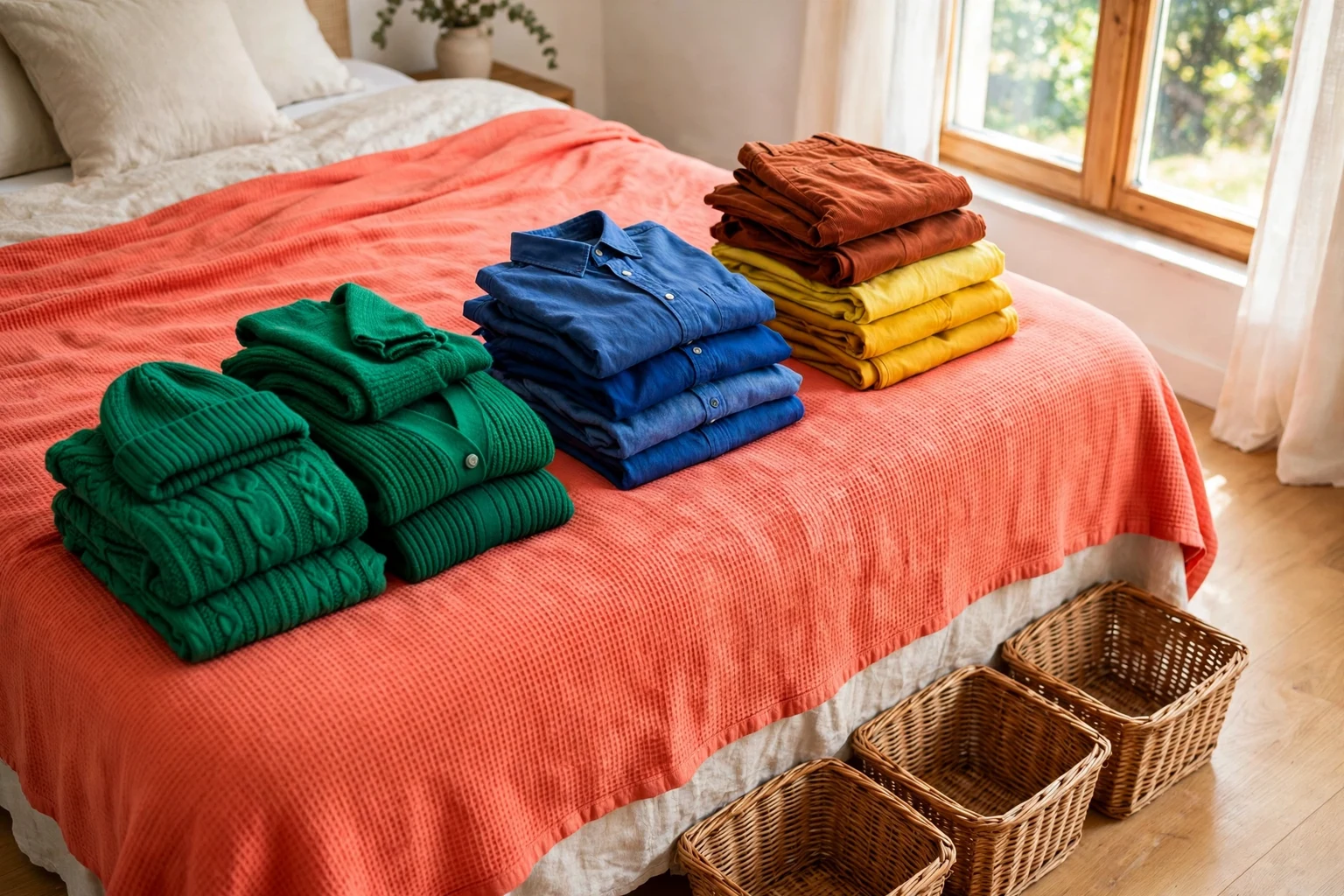
Before buying anything new, take a closer look at the clothes you already own. Many people have enough clothing but struggle to create outfits because their wardrobe contains items that do not work well together.
Take everything out and organize your clothes into simple categories:
- Pieces you wear regularly
- Items you wear occasionally
- Clothes that need repairs
- Garments that no longer fit your needs
- Items you no longer want to keep
This process helps you understand your shopping habits and identify what is genuinely missing.
You may discover that you already own several versatile basics but need a comfortable everyday jacket or a pair of trousers that work with multiple outfits.
Avoid throwing away clothing simply because you have not worn it recently. If an item is still in good condition, consider whether it can be styled differently or used for another occasion.
2. Choose Quality Over Quantity
One of the simplest ways to build a sustainable wardrobe is to focus on clothing that offers good value over time.
Instead of buying several low-quality items that may quickly lose their shape, consider choosing fewer pieces that are comfortable, well constructed, and suitable for regular use.
Before purchasing clothing, check the stitching, seams, buttons, zippers, and fabric. Look for signs of poor finishing, such as loose threads or uneven stitching.
However, remember that expensive clothing is not automatically sustainable or durable. Evaluate each item based on its construction, materials, expected use, and price.
The goal is to purchase clothing that you genuinely need and expect to wear for a long time.
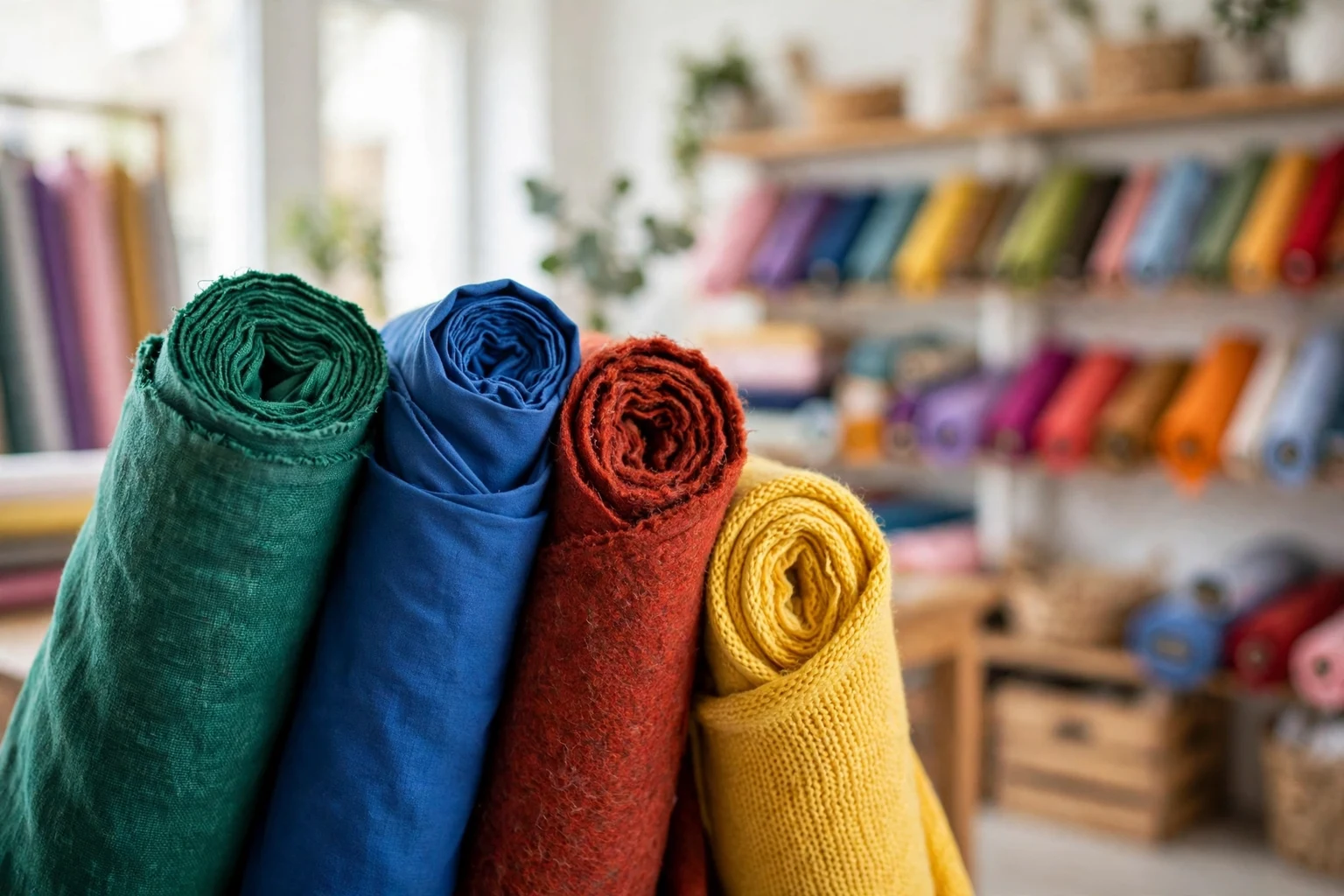
3. Understand Clothing Fabrics and Materials
The materials used in clothing can influence comfort, durability, maintenance, and environmental impact.
Different fabrics have different characteristics, so it is useful to understand their basic properties before making a purchase.
Cotton: Cotton is widely used in everyday clothing and is generally breathable. Conventional cotton production can require significant water and other resources. Organic cotton is grown under different agricultural standards, although its overall impact still depends on production and processing.
Linen: Linen is made from flax fibers and is often appreciated for its lightweight feel and breathability. It can be a practical choice for warm-weather clothing.
Wool: Wool is a natural fiber commonly used in sweaters, coats, and winter accessories. Its impact depends on farming practices, animal welfare standards, and processing.
Polyester: Polyester is a synthetic material known for its durability and wrinkle resistance. It is usually made from fossil-based resources and can release microfibers during washing.
Recycled materials: Some garments use recycled fibers, such as recycled polyester. These materials can make use of existing resources, but the full environmental impact varies by production method and garment quality.
Do not judge a garment by its fabric label alone. Consider how long you expect to use it, how it needs to be washed, and whether it suits your lifestyle.
4. Build a Wardrobe Around Versatile Pieces
Versatile clothing makes it easier to create different outfits without purchasing something new for every occasion.
Consider choosing a combination of basics and personal statement pieces that work well together.
Some useful options include:
- A comfortable pair of jeans
- Neutral everyday tops
- Well-fitting trousers
- A simple dress
- A versatile jacket
- Comfortable everyday shoes
- A cardigan or lightweight sweater
These are suggestions rather than a fixed shopping list. Your wardrobe should reflect your climate, work requirements, personal preferences, and daily activities.
Before purchasing a new garment, think about how many existing items you can pair it with. If it works with several pieces, it may be a more practical addition.
You can also explore how to build a timeless wardrobe by focusing on clothing that remains useful beyond short-lived fashion trends.
5. Buy Less and Shop With a Plan

Buying fewer unnecessary items can help reduce wardrobe clutter and encourage more thoughtful shopping decisions.
Before visiting a store or browsing online, make a list of what you actually need. Set a budget and avoid purchasing clothing simply because it is trending or heavily discounted.
You can also use a waiting period before buying nonessential items. If you still want the garment after a day or two and it fits your wardrobe needs, consider purchasing it.
Ask yourself:
- Do I already own something similar?
- Will I wear this regularly?
- Does it match my personal style?
- Is the quality suitable for its price?
- Can I create multiple outfits with it?
These questions help you distinguish between genuine wardrobe needs and temporary shopping excitement.
6. Explore Secondhand and Pre-Loved Fashion
Secondhand shopping is another way to make your wardrobe more sustainable. Instead of always purchasing new clothing, you can explore pre-loved garments that are still in good condition.
Thrift stores, vintage shops, resale platforms, and clothing exchanges can offer different styles at a range of prices.
When shopping secondhand, check garments carefully for stains, damaged seams, missing buttons, and fabric wear. Also, consider whether the item can be cleaned or repaired easily.
You may find classic pieces, unique accessories, or quality clothing that is no longer available in regular stores.
Secondhand shopping is not only about saving money. It can also extend the useful life of existing garments and reduce demand for new production.
7. Take Proper Care of Your Clothes
A sustainable wardrobe depends not only on what you buy but also on how you maintain it.
Clothing that is washed, stored, and repaired properly may remain wearable for longer. This can help reduce the need for frequent replacements.
Follow the care instructions on garment labels. Use suitable washing settings, avoid unnecessary high temperatures, and separate delicate fabrics when needed.
Here are a few simple clothing care habits:
- Wash clothes according to their care labels.
- Avoid unnecessary washing when airing out is sufficient.
- Store seasonal clothing in a clean, dry place.
- Fold knitwear instead of hanging it when appropriate.
- Repair loose buttons and small tears.
- Keep shoes and accessories clean and properly stored.
Small maintenance habits can make a difference in how long you enjoy your favorite pieces.
8. Repair, Reuse, and Repurpose Old Clothing
When a garment becomes damaged, replacing it immediately is not always necessary. Many clothing problems can be fixed with simple repairs.
A missing button, loose seam, broken zipper, or small tear may be repairable at home or by a tailor.
You can also give old clothing a different purpose. For example, a shirt that no longer fits may become a cleaning cloth, while suitable fabric can be used for a small craft project.
If you have clothing in good condition that you no longer wear, consider donating it, selling it, or passing it to someone who can use it.
Before disposing of damaged garments, check whether textile recycling options are available in your area.
The aim is to keep clothing useful for as long as reasonably possible.
9. Be Careful With Greenwashing
As interest in sustainable fashion grows, more clothing brands use environmental language in their marketing. However, words such as green, natural, conscious, and eco-friendly do not automatically prove that a product is sustainable.
This is why it is important to look beyond advertising claims.
Check whether a brand provides clear information about its materials, manufacturing processes, sourcing, and environmental practices. Look for specific explanations rather than vague statements.
Certifications may also provide useful information, but understand what each certification actually covers. Some focus on materials, while others address manufacturing, chemical use, or labor standards.
Avoid assuming that a brand is fully sustainable because it promotes one environmentally friendly product or uses recycled packaging.
Making informed choices means considering the available evidence instead of relying only on marketing language.
10. Choose Brands More Thoughtfully
When purchasing new clothing, consider researching the brands you buy from.
Look for companies that provide useful information about their supply chains, manufacturing practices, material sourcing, and garment care.
Some brands publish sustainability reports or explain their environmental goals. This information can help you understand their approach, although it is still important to evaluate specific claims carefully.
You do not need to shop exclusively from premium sustainable fashion brands. If your budget is limited, buying fewer items, choosing durable clothing, and taking good care of your wardrobe are practical starting points.
The most important thing is to make decisions based on your needs, available options, and what you can reasonably afford.
How to Build a Sustainable Wardrobe on a Budget
Creating a more sustainable wardrobe does not have to be expensive. In fact, some of the most useful steps involve spending less.
Start by wearing and styling the clothing you already own. Look for secondhand options when you need something new, and compare prices before making purchases.
You can also organize clothing exchanges with friends or family members. This gives suitable garments another opportunity to be worn without requiring a new purchase.
Focus on repairing clothes rather than replacing them whenever possible. If you do need to buy something, choose an item that works with several outfits.
Remember that sustainability is not about purchasing an entirely new collection of eco-friendly products. It is about using resources more thoughtfully and reducing unnecessary consumption.
Common Sustainable Fashion Mistakes to Avoid
Even people interested in conscious fashion can make choices that work against their goals.
- Replacing your entire wardrobe: Buying a completely new collection of sustainable clothing creates unnecessary spending and may increase consumption.
- Buying items only because they are labeled eco-friendly: Always check the quality, usefulness, and available information behind product claims.
- Ignoring garment care: Even good-quality clothing may wear out quickly if it is not maintained properly.
- Following every fashion trend: Constantly replacing clothes to match new trends can make it difficult to build a lasting wardrobe.
- Assuming expensive means sustainable: Price is not enough to determine whether a garment is responsibly made or durable.
- Donating unsuitable clothing: Donate clean garments that are still wearable. Heavily damaged items may need a different recycling or disposal option.
Final Thoughts
Building a sustainable wardrobe is a gradual process that begins with making more thoughtful fashion choices. You do not need to change your entire shopping routine overnight or purchase expensive clothing to get started.
Review what you already own, choose useful and durable pieces, explore secondhand options, and take proper care of your clothes. Pay attention to brand claims and consider how each purchase fits into your existing wardrobe.
The best sustainable wardrobe is not necessarily the largest or most expensive one. It is a collection of clothing that suits your lifestyle, reflects your personal style, and helps you make better use of the resources you already have.
Frequently Asked Questions
1. What is the easiest way to start a sustainable wardrobe?
Start by reviewing your existing clothing and identifying what you genuinely need. Wear your current pieces more often, repair damaged garments, and make thoughtful purchases instead of buying unnecessary items.
2. Does a sustainable wardrobe have to be expensive?
No. You can make more sustainable choices by shopping secondhand, buying fewer items, repairing clothing, and taking care of what you already own. You do not need expensive brands to begin.
3. Which fabrics are best for sustainable fashion?
There is no single fabric that is always the most sustainable. Materials such as linen, organic cotton, recycled fibers, and responsibly sourced wool may offer certain benefits, but their impact depends on production, processing, durability, and care.
4. Is secondhand shopping more sustainable?
Secondhand shopping can extend the useful life of existing clothing and reduce the need for new production. Its overall benefits depend on purchasing habits, transportation, and whether the garments are actually used.
5. How many clothes should a sustainable wardrobe have?
There is no required number. A sustainable wardrobe should contain enough clothing to meet your daily needs without unnecessary purchases. The right size depends on your lifestyle, climate, work, and personal preferences.
6. How can I make my wardrobe last longer?
Follow garment care instructions, store clothing properly, repair small damages, and avoid unnecessary washing. Choosing well-made items that suit your lifestyle can also help you get more use from your wardrobe.